.avif)
AC Inspection in Anaheim, CA
An in-depth overview of AC inspections for Anaheim homes, outlining why regular checks matter amid warm summers and dusty conditions. The guide explains who benefits, what a comprehensive inspection covers (thermostat to outdoor condenser, airflow, refrigerant, electrical safety, condensate, and performance reporting), what to expect during the visit, common problems, and how the results inform safety, repairs, and maintenance. It also highlights available inspection packages, follow-up actions, and simple maintenance tips to protect comfort and budget.
AC Inspection in Anaheim, CA
An annual AC inspection keeps your home comfortable, efficient, and safe — especially in Anaheim where hot, humid summers and seasonal Santa Ana winds increase system demand and airborne debris. A thorough inspection identifies problems before they become breakdowns, restores efficiency, and helps you plan repairs or replacement with clear, prioritized information. This page explains what a comprehensive AC inspection in Anaheim includes, who should schedule one, the diagnostic process, sample report items, recommended follow-up actions, and common inspection packages tailored to local needs.
Why an AC inspection matters for Anaheim homes
Anaheim experiences extended cooling seasons and occasional dusty, dry Santa Ana conditions that strain systems and foster dirt buildup. Homes near higher traffic corridors or older neighborhoods can have increased particulate load in return ducts. Regular inspections:
- Reduce the chance of mid-summer failures when repairs are most disruptive
- Improve energy efficiency to lower monthly electric bills during long cooling seasons
- Detect refrigerant leaks and electrical hazards that can shorten equipment life
- Ensure proper humidity control for comfort and indoor air quality
Who should get an AC inspection
- Homebuyers and sellers evaluating system condition before a transaction
- Homeowners scheduling pre-summer checks to avoid peak-season failures
- Property managers and landlords maintaining rental units and meeting safety standards
- Anyone returning to a home after long vacancy, remodeling, or storm exposure
- Owners of systems older than 8 to 10 years who are monitoring performance and replacement timing
What a comprehensive AC inspection includes
A full inspection covers the system from thermostat to outdoor condenser. Typical inspection points:
- Visual system check
- Inspect outdoor condenser and indoor air handler for corrosion, physical damage, and proper clearances
- Check filter condition, evaporator and condenser coil cleanliness, and cabinet seals
- Airflow and thermostat testing
- Measure supply and return temperature differentials
- Verify thermostat calibration, setback programming, and sensor operation
- Confirm adequate airflow and estimate CFM based on measured temperature split
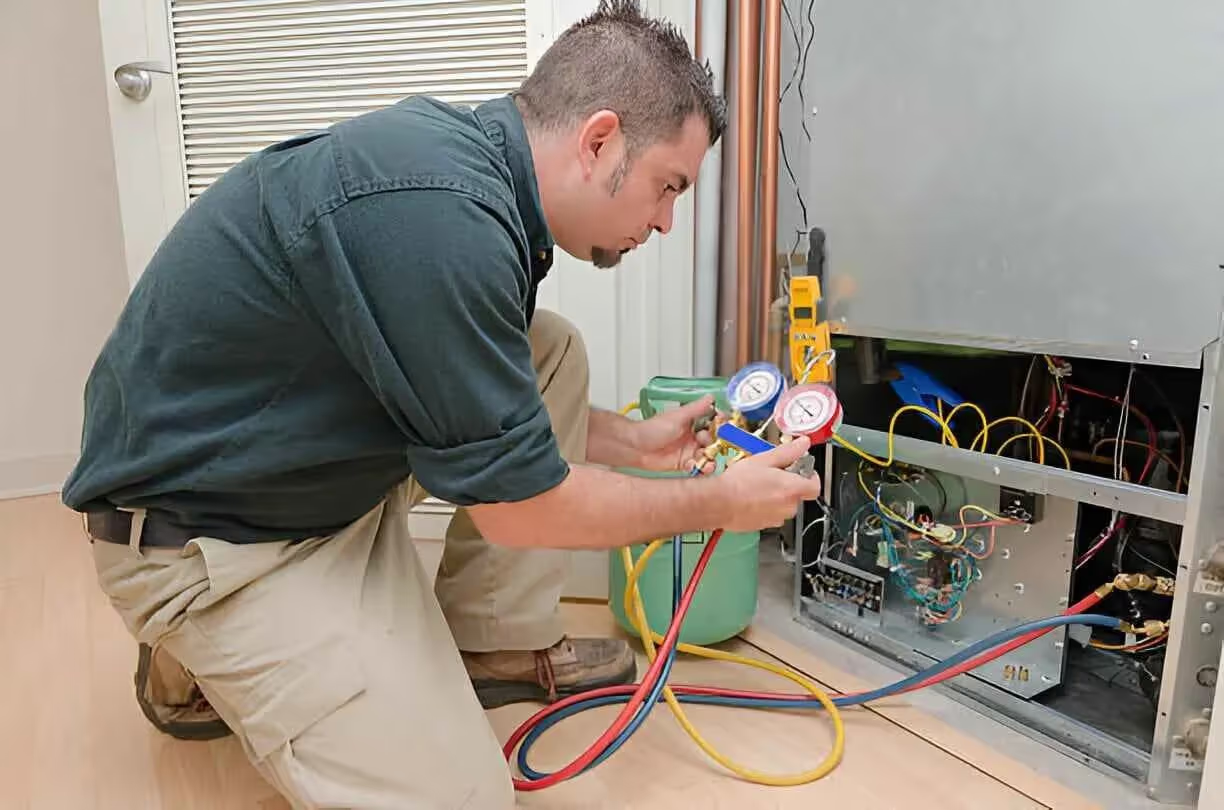
- Refrigerant pressure and leak checks
- Measure refrigerant pressures against expected values for system type
- Look for oil stains, visual leaks, and perform electronic leak detection when indicated
- Note refrigerant type (R-410A vs older R-22) and implications for service
- Electrical safety inspection
- Inspect contactors, capacitors, fuses, breakers, and wiring connections
- Measure line voltage and motor amperage to detect signs of electrical stress
- Check safety controls and disconnects for correct operation
- Condensate drain evaluation
- Verify drain pan condition, flow, and trap integrity
- Inspect for clogs or microbial growth that can cause overflow and indoor water damage
- Performance and efficiency reporting
- Record system make, model, age, and runtime history if available
- Provide measured values (supply and return temps, refrigerant pressures, voltage/amperage)
- Summarize system performance and approximate remaining useful life
Diagnostic process: what you can expect during the visit
- Initial walkthrough to identify visible issues and system access points.
- Filter inspection and replacement if needed for testing accuracy.
- Operating test: run system through a full cycle while measuring temperatures, pressures, and electrical parameters.
- Targeted inspections: concentrated checks where symptoms indicate problems (e.g., refrigerant leaks, unusual noises).
- Photographic documentation of key findings and any safety concerns.
- A written report that prioritizes safety, immediate repairs, and recommended maintenance or upgrades.
Common AC problems found in Anaheim inspections
- Dirty coils and reduced airflow from seasonal dust, pollen, and urban particulates
- Refrigerant leaks in aging systems, sometimes requiring retrofit or replacement if R-22 is involved
- Clogged condensate drains causing overflow and potential indoor water damage
- Electrical wear: failing capacitors or loose connections from frequent cycling
- Thermostat miscalibration leading to short cycling and comfort complaints
- Corrosion on outdoor units from moisture or sprinkler overspray
Sample inspection report (what you will receive)
A professional inspection report for an Anaheim home typically contains:
- Property and system summary: location, make/model, age, serial numbers
- Photos: outdoor unit, indoor coil, electrical panel, condensate pan
- Measured values: supply/return temps, delta T, refrigerant pressures, voltage/amperage readings
- Condition assessment with severity levels:
- Safety (requires immediate attention)
- Performance (affects comfort or causes inefficiency)
- Preventive (should be scheduled)
- Recommended actions prioritized and explained (safety, repair, maintenance, upgrade)
- Estimated impact on efficiency and expected outcome after repairs
- Notes on local factors (high summer load, dust exposure, recommended seasonal timing)
Recommended follow-up actions after an inspection
- Immediate: address electrical hazards, refrigerant leaks, or blocked condensate drains to prevent safety or property damage.
- Near-term: clean coils and replace filters, repair minor leaks, recalibrate thermostat to restore performance.
- Planned: schedule duct sealing, upgrade to a high-efficiency system if efficiency is poor and age is advanced, consider smart thermostat for better control.
- Preventive: set up annual spring inspections before peak cooling season in Anaheim, and consider mid-season checks for high-use homes.
Typical inspection packages (descriptions only)
- Basic Visual and Safety Check
- Core visual inspection, thermostat check, filter assessment, basic safety items
- Good for quick pre-list or pre-occupancy checks
- Seasonal Performance Tune-Up
- Full operational testing, coil cleaning inspection, refrigerant pressure measurement, electrical checks, condensate inspection
- Recommended annually in spring for Anaheim homes
- Comprehensive Diagnostic Inspection
- All-season measurements, electronic refrigerant leak detection, airflow balancing, detailed reporting with photos and prioritized repairs
- Ideal for homebuyers, older systems, or when performance issues exist
- Add-on services
- Duct evaluation and sealing, indoor air quality testing, UV light installation, smart thermostat setup, deep coil clean
Long-term benefits and basic maintenance tips
Routine inspections protect your comfort and budget by catching inefficiencies and hazards early. Regular maintenance extends equipment life, improves indoor air quality, and reduces peak-season emergency repairs. Simple homeowner practices include:
- Replace or clean filters monthly during heavy use months
- Keep outdoor unit clear of debris, vegetation, and irrigation spray
- Shade outdoor equipment if possible while maintaining proper airflow
- Monitor indoor humidity and drainage around the condensate line
- Schedule professional inspections before the hottest months
A clear, locally focused inspection gives Anaheim homeowners the information needed to prioritize safety, performance, and efficiency improvements. The inspection report becomes a decision-ready document for budgeting repairs, negotiating in a home sale, or planning a system upgrade.
hear what our satisfied clients have to say
.avif)
Service areas

