.avif)
AC Inspection in Fountain Valley, CA
An AC inspection in Fountain Valley, CA identifies small issues before they become costly failures, restores cooling capacity, and lowers energy use. This page outlines what a comprehensive inspection includes, local challenges, how findings are reported and prioritized, and why regular inspections save homeowners money and prevent mid-summer breakdowns. It covers a typical checklist, diagnostic methods, reporting formats, common repairs, maintenance tips, and the long-term value of proactive care for nearby homes. Regular pre-summer inspections help ensure comfort and efficiency year-round.
AC Inspection in Fountain Valley, CA
Keeping your home comfortable through Fountain Valley summers depends on a reliable, efficient air conditioning system. An AC inspection in Fountain Valley, CA identifies small problems before they become costly breakdowns, restores lost cooling capacity, and helps reduce energy use. This page explains what a comprehensive AC inspection includes, common local issues, how findings are reported and prioritized, and why regular inspections pay off for Fountain Valley homes.
Why an AC inspection matters in Fountain Valley, CA
Fountain Valley’s warm, often humid coastal climate and occasional marine layer mean air conditioners run frequently during summer and shoulder seasons. Salt-laden air from the nearby coast increases the risk of corrosion on outdoor condenser coils and electrical components. Many local homes have older central systems and ductwork that can lose performance over time. A thorough inspection addresses these local stressors and helps avoid mid-summer failures when demand is highest.
Common AC problems in Fountain Valley homes
- Reduced airflow from clogged filters, dirty blower wheels, or restricted ducts
- Low refrigerant charge from slow leaks that reduce cooling capacity
- Corroded condenser fins, fan motors, or electrical terminals from coastal salt exposure
- Thermostat miscalibration or poor placement causing short cycling or uneven cooling
- Clogged condensate drain lines causing water overflow and possible interior damage
- Inefficient or leaky ductwork that wastes conditioned air and raises bills
- Failing capacitors, relays, or compressors that lead to intermittent operation or complete shutdown
Typical AC inspection checklist
A complete AC inspection in Fountain Valley, CA covers these essential items:
- Thermostat calibration and settings - verify temperature accuracy, fan control, and programmable schedules
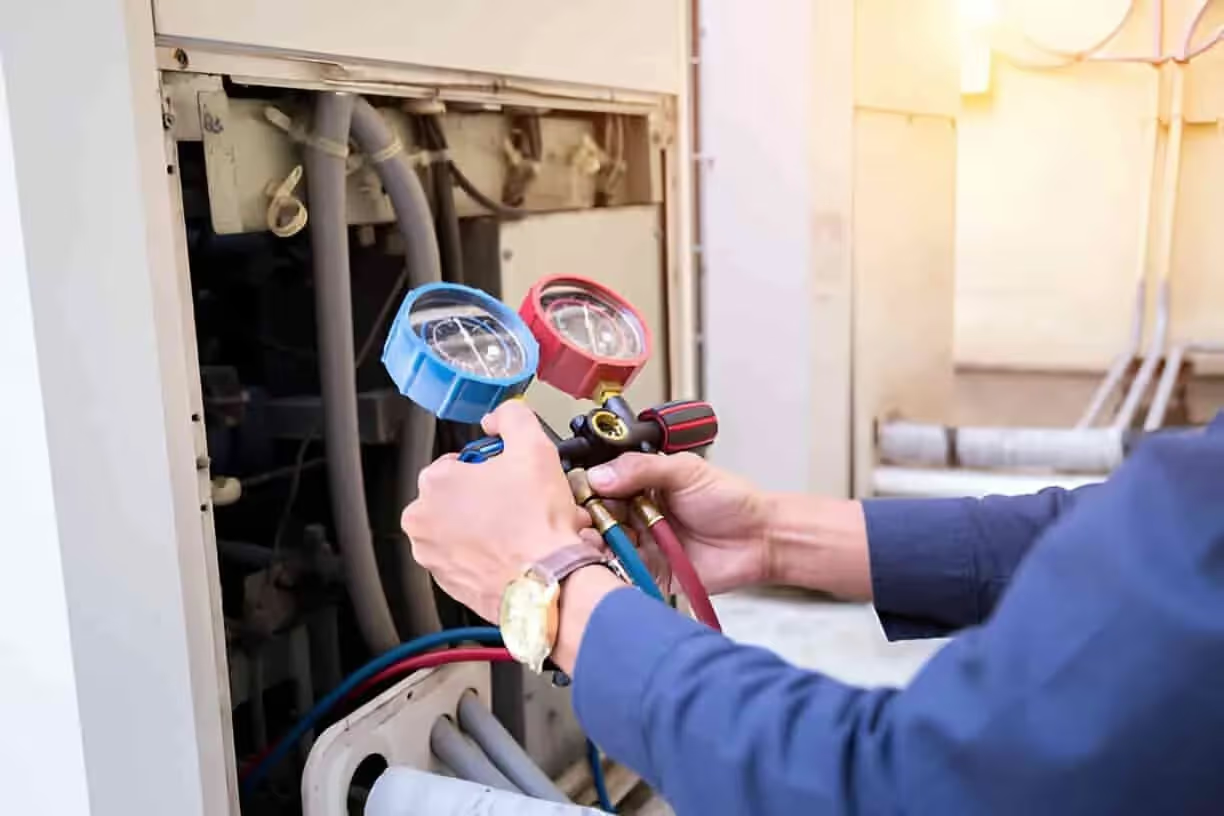
- Refrigerant levels - measure pressures and superheat/subcooling to confirm proper charge and check for signs of leaks
- Electrical components - inspect wiring, contactors, capacitors, fuses, and breaker loads with a multimeter and clamp meter
- Airflow and blower performance - measure supply and return airflow, static pressure, and inspect blower wheel for debris
- Evaporator and condenser coils - check for dirt, damage, and corrosion; recommend cleaning or repairs as needed
- Filters - evaluate type and condition; recommend replacement frequency based on use and indoor air quality needs
- Condensate drain and pan - inspect for clogs, algae, and proper slope; verify functioning of safety overflow switches
- Duct integrity - visual inspection for disconnections, crushed areas, and obvious leaks; note insulation condition
- Outdoor unit condition - evaluate fan operation, motor amperage, visible corrosion, and base clearance for airflow
- System performance metrics - record supply/return temperatures and delta T to quantify cooling effectiveness
How we diagnose and test
Inspections combine a visual walk-through with performance testing using industry tools: refrigerant gauges, temperature sensors, clamp meters, anemometer for airflow, and approved electronic leak detectors. Technicians observe system startup and shutdown cycles, measure electrical current on major components, and calculate temperature differentials across the evaporator coil. For ducted systems, basic duct pressure checks and a smoke test or manual inspection identify major leaks. Findings are compared to manufacturer specifications and local climate expectations to determine health and efficiency.
How findings are reported and prioritized
Inspection reports are delivered as a clear, prioritized summary that helps homeowners decide next steps:
- Immediate (Safety/Failure Risk) - issues that could cause an immediate breakdown or safety hazard, such as major electrical faults, severe refrigerant leaks, or failing compressors. These are flagged for urgent attention.
- Recommended (Performance/Efficiency) - items that reduce cooling capacity or increase operating costs, like low refrigerant, dirty coils, or failing capacitors. These fixable problems improve comfort and lower bills.
- Routine (Maintenance) - filter replacement, condensate drain cleaning, and minor adjustments that keep the system running reliably.
- Upgrade (Long-term value) - suggestions for efficiency improvements such as smart thermostats, duct sealing, or higher-efficiency equipment when the system is near end-of-life.
Each report typically includes photos of problem areas, measured values (temperatures, pressures, amperage), a plain-language explanation of each issue, and a recommended priority level. Reports also estimate expected impact (for example, restored cooling capacity or improved runtime) so you can weigh benefits.
Typical repairs and improvements explained
- Refrigerant leak repair and recharge - locating and repairing leaks restores design cooling and prevents compressor stress.
- Coil cleaning and condenser fin straightening - often returns lost efficiency and improves heat transfer without major replacement.
- Electrical repairs and capacitor replacement - addresses frequent start/stop problems and prevents motor burnout.
- Duct sealing and insulation - reduces wasted conditioned air and improves comfort consistency across rooms.
- Thermostat upgrade and recalibration - improves setpoint accuracy and can reduce cycling and excess run time.
- Condensate line clearing and drain pan treatment - prevents interior water damage and microbial growth.
How regular inspections prevent breakdowns and improve efficiency
Regular inspections catch wear and small faults before they escalate into component failure. Preventive maintenance and timely repairs:
- Reduce the likelihood of mid-summer breakdowns when repair response times are longer
- Maintain designed cooling capacity so systems run shorter cycles, reducing wear and energy use
- Detect corrosion and address it early in Fountain Valley’s salty air environment to extend outdoor unit life
- Improve indoor comfort and indoor air quality by ensuring filters, coils, and drainage are functioning
For most central AC systems, an annual pre-summer inspection and tune-up is recommended; homes with heavy use or older systems may benefit from twice-yearly checks. Scheduling around Fountain Valley’s seasonal patterns ensures peak performance when you need it.
Maintenance tips for Fountain Valley homeowners
- Replace or clean filters every 1-3 months during heavy use months
- Keep the outdoor unit clear of vegetation and spray from sprinklers to reduce corrosion risk
- Use programmable thermostat settings to avoid unnecessary run time when the house is empty
- Schedule inspections before peak cooling season to address issues early
- Consider duct sealing if you notice uneven cooling or high energy bills
A thorough AC inspection in Fountain Valley, CA provides a documented health check, clear priorities for repair, and practical recommendations tailored to local conditions. Regular inspections reduce unexpected failures, improve comfort, and help your system run more efficiently throughout the year.
hear what our satisfied clients have to say
.avif)
Service areas

