.avif)
AC Inspection in Lakewood, CA
An AC inspection in Lakewood, CA provides a comprehensive safety and performance check to keep your system reliable during hot seasons. The service covers refrigerant, electrical, airflow, coil, condensate, thermostat, and ductwork, with a detailed inspection report and prioritized recommendations. It also highlights Lakewood-specific issues like coastal dust, salt exposure, and corrosion, and offers seasonal or pre-sale inspection options. Regular inspections prevent breakdowns, extend equipment life, and guide maintenance decisions for quieter operation and improved efficiency.
AC Inspection in Lakewood, CA
Keeping your air conditioning reliable and efficient is essential for comfort during Lakewood summers. An AC inspection in Lakewood, CA ensures your system is safe, performing well, and ready for peak cooling demand. This page explains what a comprehensive inspection covers, common local issues, the inspection process, the inspection report you can expect, seasonal and pre-sale options, and how regular inspections prevent breakdowns and extend system life.
Why an AC inspection matters in Lakewood, CA
Lakewood experiences warm, dry to moderately humid summers with occasional coastal marine layer and airborne salt or dust that can accelerate corrosion and clog coils. High cooling demand increases wear on compressors and motors. Regular inspections catch small problems before they become emergency failures, improve efficiency in a high-demand climate, and help maintain indoor comfort and indoor air quality in homes across Lakewood.
What a comprehensive AC inspection checks
A professional AC inspection typically includes both performance and safety checks. Key items examined:
- Refrigerant levels and pressure testing to verify proper charge and check for leaks
- Electrical components: breakers, fuses, contactors, capacitors, wiring connections, and amp draw on motors
- Airflow: blower performance, filter condition, and supply/return registers
- Evaporator and condenser coils for dirt, corrosion, and fin damage
- Condensate drain and pan to ensure proper drainage and absence of clogs or microbial growth
- Thermostat calibration and operation, including control signals and setpoint accuracy
- Compressor and motor operation under load, including noise and vibration assessment
- Safety controls and switches, including high-pressure/low-pressure cutouts and float switches
- Ductwork inspection for visible leaks, disconnected seams, or insulation problems (when accessible)
- Outdoor unit clearance, mounting, and corrosion inspection for coastal or salt exposure
Common AC inspection issues in Lakewood, CA
- Low refrigerant due to slow leaks: frequent in older installations and leads to reduced cooling and compressor stress
- Dirty condenser or evaporator coils from coastal dust and neighborhood pollen reducing heat transfer efficiency
- Worn capacitors or contactors causing hard starts or intermittent failures during high-temperature days
- Restricted airflow from clogged filters or undersized/dirty return ducts, resulting in frozen evaporator coils
- Corroded outdoor components from marine-influenced air or sprinkler overspray
- Condensate clogs promoting overflow and secondary water damage in tight crawlspaces or attic-mounted systems
How the inspection is performed (step-by-step)
- Visual assessment of indoor and outdoor units and surrounding area clearance
- System start-up observation to note unusual noises, cycling patterns, and run times
- Electrical testing using safe, non-invasive tools to measure voltage, current, and component function
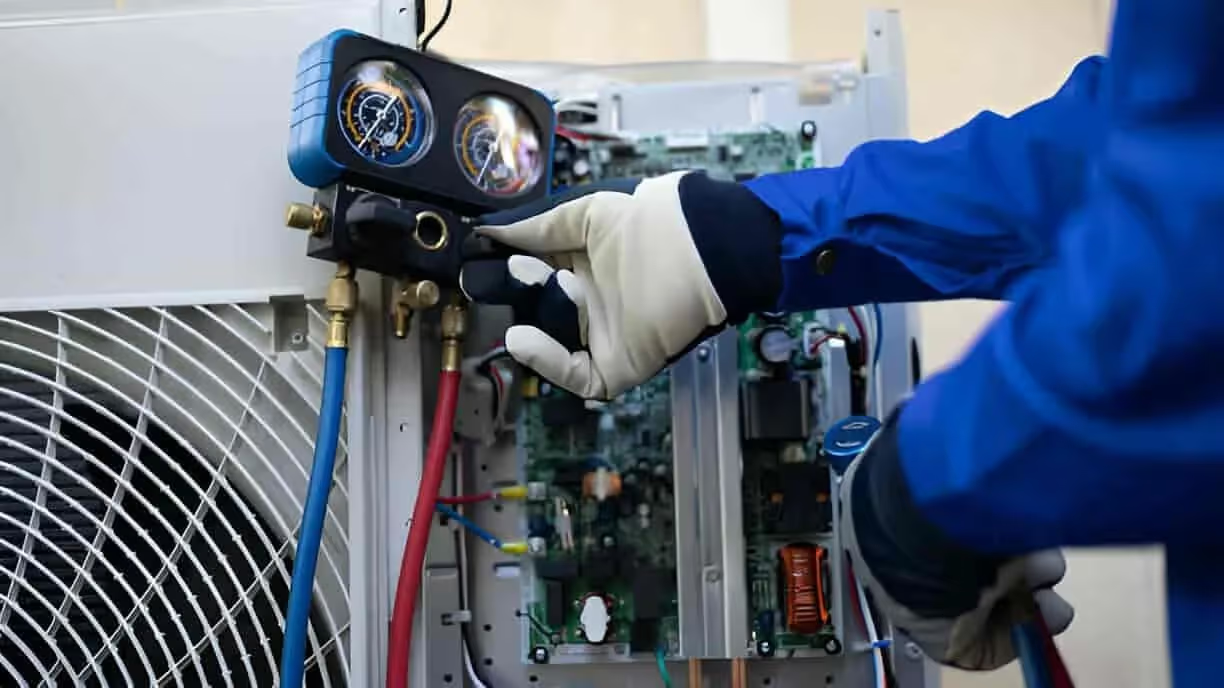
- Refrigerant system check: measuring pressures and temperature split to assess charge and heat exchange performance
- Airflow measurement and filter inspection; testing blower motor and registers for balanced flow
- Condensate system test by pouring water to verify drain flow and float switch operation
- Thermostat verification and calibration check to ensure accurate temperature control
- Documentation: photos of issues, measured values, and prioritized recommendations
The inspection report: what you will receive
A thorough inspection report is an essential deliverable. Typical contents include:
- Executive summary of system condition and immediate safety concerns
- Measured values (temperatures, pressures, electrical readings) and performance indicators like temperature split and airflow notes
- Photographs of problem areas (dirty coils, corroded parts, duct issues)
- Prioritized recommendations: urgent repairs, recommended maintenance, and optional efficiency upgrades
- Estimated remaining useful life for major components (compressor, coil, motor) and notes on warranty considerations
- Estimated energy performance observations and suggestions for improving efficiency
Reports for pre-sale inspections include documentation suitable for disclosure to buyers or listing agents, with clear descriptions of issues that may affect sale negotiations.
Seasonal and pre-sale inspection options
- Seasonal inspection (recommended once per year, ideally in spring): ensures your AC is ready before peak summer, reduces risk of mid-season failures, and optimizes efficiency for Lakewood heat spells.
- Pre-sale inspection: a focused assessment used during home sales to provide buyers and sellers with an objective condition report, identify safety issues, and outline necessary repairs or negotiable upgrades.
Timing matters in Lakewood: perform a seasonal inspection in late spring to confirm performance before the hottest weeks arrive and to avoid delayed service during peak demand.
How inspections prevent breakdowns and extend system life
- Early detection of refrigerant leaks and electrical wear prevents compressor burnout and costly emergency replacements.
- Maintaining clean coils, proper airflow, and functional drainage reduces strain on components and improves heat exchange, cutting run time and energy use.
- Replacing worn starting components and balancing electrical loads prevents repeated cycling and extends motor and compressor life.
- Documentation of maintenance and timely repairs helps preserve manufacturer warranties and increases resale value for Lakewood homes.
Practical maintenance tips for Lakewood homes
- Replace or clean filters every 1 to 3 months during heavy use to maintain airflow and protect coils.
- Keep the outdoor unit free of debris, weeds, and landscaping; trim back plants at least 2 feet to ensure airflow and reduce pollen and dust accumulation.
- Avoid sprinkler spray on the outdoor unit; excess water accelerates corrosion in coastal-influenced areas.
- Set a thermostat schedule to avoid excessive runtime; consider a programmable or smart thermostat to optimize cooling while away.
- Schedule an annual professional inspection before cooling season and an extra check if the system is more than 10 years old or if you notice decreased performance.
Conclusion
An AC inspection in Lakewood, CA is a practical, preventative step to ensure reliable cooling, improved efficiency, and safer operation through the hot months. Inspections target the exact issues common to Lakewood homes—salt and dust corrosion, heavy seasonal use, and aging equipment—and provide a clear, prioritized report for repair or upgrade decisions. Regular inspections keep systems running longer, reduce emergency service needs, and help you maintain consistent comfort throughout Lakewood summers.
hear what our satisfied clients have to say
.avif)
Service areas

