.avif)
AC Inspection in Moreno Valley, CA
An AC inspection in Moreno Valley, CA provides a thorough health check for your cooling system, identifying issues that affect safety, efficiency, and comfort. The service covers refrigerant, electrical, thermostat, airflow, coils, belts, motors, safety devices, and overall performance, followed by a clear written report with prioritized repair or replacement recommendations. Regular inspections support preventative maintenance, extend equipment life, and uncover energy-saving opportunities, helping homeowners plan timely upgrades and stay ahead of peak-season demand. This service supports informed decisions and long-term savings.
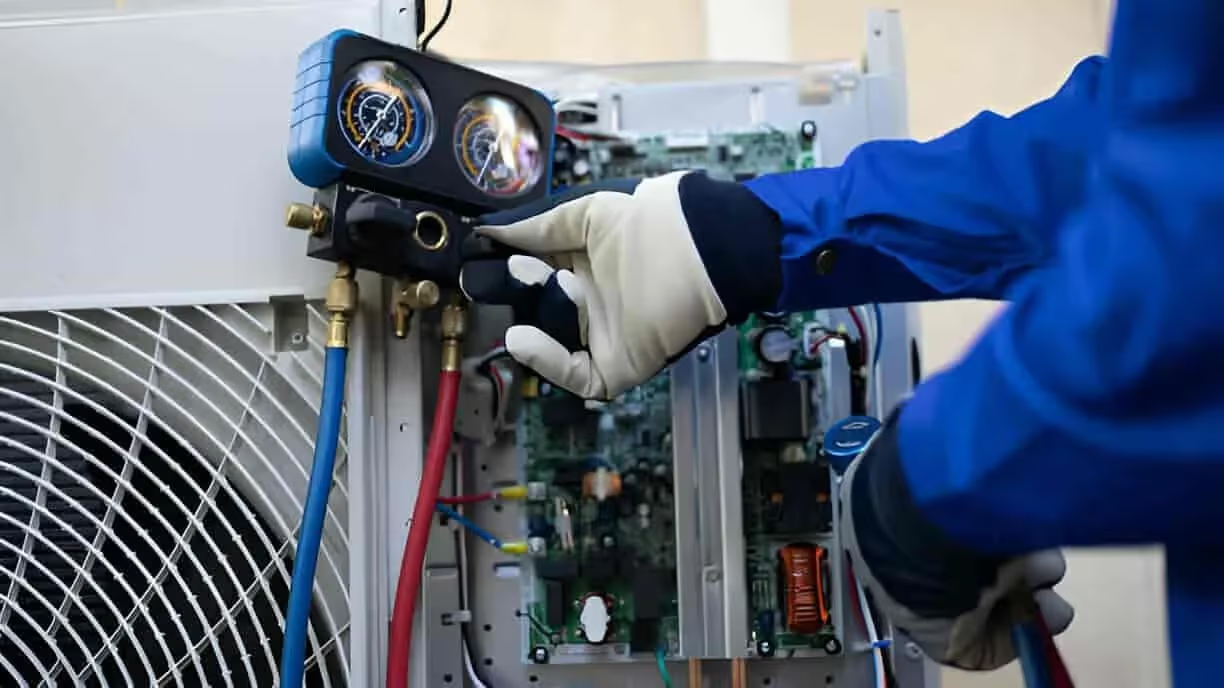
AC Inspection in Moreno Valley, CA
A thorough AC inspection in Moreno Valley, CA keeps your system reliable during long, hot summers and helps avoid emergency breakdowns when temperatures peak. Inland Southern California homes face high cooling demand, dust and fine particulates, and occasional temperature swings that stress components. A professional inspection evaluates system health across a full checklist, identifies issues that reduce efficiency or pose safety risks, and delivers a written condition report with prioritized repair or replacement recommendations tailored to local conditions.
What a comprehensive AC inspection covers
A complete AC inspection reviews every critical system area to ensure safe, efficient operation. Typical items included:
- Refrigerant levels and leak check: Verify correct charge, look for signs of leaks, and measure pressures against manufacturer specs. Low or off-spec refrigerant is a common cause of poor cooling and higher energy use.
- Electrical components and controls: Inspect contactors, relays, fuses, breakers, wiring connections, and capacitors for wear, overheating, or corrosion.
- Thermostat calibration and controls: Confirm the thermostat reads and controls temperatures accurately and verify settings for schedules and fan operation.
- Airflow and ductwork assessment: Measure airflow across the coil, check return and supply vents for restrictions, and visually inspect ducts for disconnections or leaks.
- Evaporator and condenser coils: Examine coil cleanliness and fin condition; clean or recommend cleaning when buildup reduces heat transfer.
- Filters, belts, and motors: Inspect filter condition (recommend replacements if dirty), check belt tension and condition, and evaluate blower and fan motors for noise or excessive draw.
- Safety checks: Test safety devices such as condensate drain operation, float switches, and emergency shutoff controls to prevent water damage and hazards.
- Operational performance: Run the system through a full operational check, measuring temperature split across the evaporator and overall system cycling.
- Energy-efficiency assessment: Compare current performance to expected efficiency (SEER-related expectations), identify opportunities for tuning, and note aging components that reduce efficiency.
Written condition report and recommendations
After inspection you receive a clear, written condition report that includes:
- A concise summary of system condition and immediate concerns
- Priority-rated recommendations: safety-critical, recommended within 30–90 days, and long-term considerations
- Estimated remaining useful life for major components (compressor, coils, air handler)
- Energy-saving opportunities (thermostat upgrades, duct sealing, insulation)
- Repair vs replacement analysis based on age, condition, and local usage patterns
This report gives homeowners in Moreno Valley the information needed to make informed decisions about repairs and investments that align with heavy seasonal cooling needs.
Common AC inspection issues in Moreno Valley
Local climate and housing factors make certain problems more prevalent:
- Overworked compressors and short cycling from sustained high ambient temperatures
- Low refrigerant due to leaks or undercharging from prior maintenance
- Clogged coils and filters caused by windblown dust and fine particulates common in the Inland Empire
- Capacitor and start relay failures accelerated by frequent on/off cycles during peak heat
- Duct leaks and poor insulation that reduce efficiency and make systems run longer
- Thermostat miscalibration resulting in uneven comfort or higher runtime during heat waves
Identifying these issues early during an inspection prevents sudden failures and reduces repair costs.
Inspection process and diagnostics explained
Inspections follow a methodical process designed to pinpoint root causes rather than just symptoms:
- Visual and safety walk-through: Inspect outdoor unit, indoor air handler, condensate lines, and electrical panels for obvious hazards.
- Operational startup and measurements: Start the system and measure supply and return temperatures, refrigerant pressures, and amperage draw on motors.
- Component testing: Test capacitors, contactors, and thermostat control signals using diagnostic tools to evaluate performance under load.
- Airflow and duct assessment: Measure static pressure and airflow where needed; inspect accessible ducts for leaks or blockages.
- System integrity checks: Check for oil stains or corrosion that indicate refrigerant leaks, and verify condensate drainage and float switch operation.
- Compile findings: Create a written report that documents readings, photos of issues when applicable, and prioritized recommendations.
This diagnostic approach reduces guesswork and ensures repairs target underlying faults.
How inspections fit into preventative maintenance plans
Regular inspections are central to a preventative maintenance strategy that extends equipment life and lowers operating costs. Recommended frequencies for Moreno Valley homes:
- Minimum annual inspection: At least once per year before the cooling season to ensure readiness for summer.
- Biannual inspection for heavy-use or older systems: Spring and late summer checks are recommended for homes with high cooling loads, older equipment (>10 years), or families sensitive to indoor air quality.
- Filter checks: Inspect filters every month during heavy use and replace as needed; higher MERV or pleated filters may require more frequent checks in dusty conditions.
- Duct and insulation review: Inspect ducts every 2–3 years and after major remodels, or sooner if performance drops.
Integrating inspections with routine filter changes and seasonal tune-ups lowers the chance of mid-summer failures and preserves manufacturer warranties that require periodic service.
Energy-efficiency and cost-savings benefits
Inspections uncover opportunities to reduce energy consumption and improve comfort:
- Correct refrigerant charge and clean coils restore design efficiency and reduce run time.
- Sealing ducts and optimizing airflow minimizes wasted cooling and lowers utility bills.
- Calibrated thermostats and programmable controls prevent unnecessary runtime.
- Early replacement of failing capacitors or motors avoids the higher cost and downtime of compressor failure.
In Moreno Valley, where cooling is a major household energy expense, these improvements translate directly into noticeable savings and more reliable comfort.
Final considerations for Moreno Valley homeowners
An AC inspection in Moreno Valley, CA is not just a checklist — it is an investment in safety, efficiency, and uninterrupted comfort during the region’s extended heat periods. Regular inspections tailored to local dust loads and high cooling demand identify hidden issues, preserve equipment life, and create a clear plan for repairs or upgrades. Keeping a documented inspection history also helps when evaluating replacement timing and comparing options for higher-efficiency systems suited to local conditions.
hear what our satisfied clients have to say
.avif)
Service areas

