.avif)
AC Inspection in Villa Park, CA
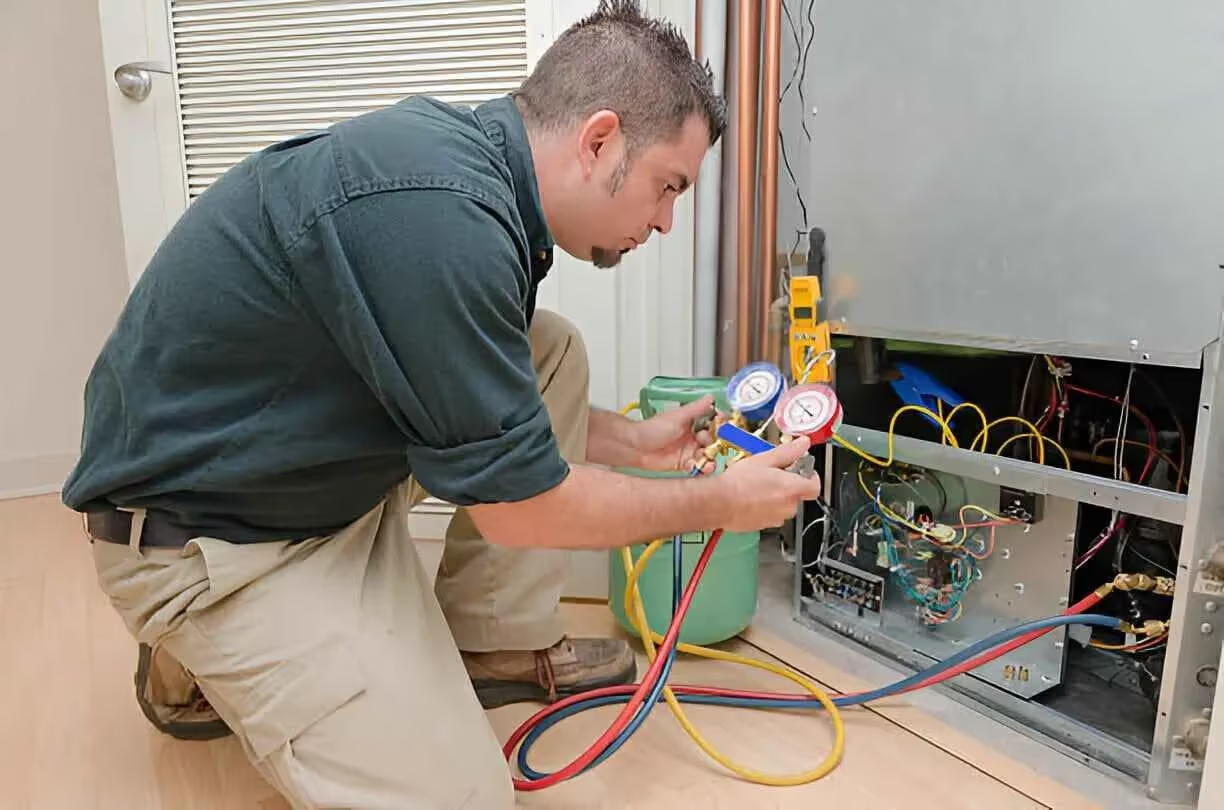
AC inspection in Villa Park, CA provides a thorough, locally tailored assessment to identify efficiency losses, safety concerns, and evolving issues before failures occur. The service explains common problems like reduced cooling, dirty coils, and duct leaks, then delivers a detailed report with prioritized safety fixes, efficiency upgrades, and transparent cost estimates. By combining diagnostic checks, duct inspections, and performance measurements, the inspection helps homeowners plan repairs, improve comfort, and extend system life through proactive maintenance.
AC Inspection in Villa Park, CA
Keeping your air conditioning system running reliably through Villa Park summers means more than occasional filter changes. Professional AC inspection in Villa Park, CA identifies efficiency losses, safety concerns, and small problems before they become costly failures. With hot, dry afternoons, seasonal Santa Ana winds that load systems with dust, and older neighborhood homes that may have aging ductwork, a thorough inspection delivers the clarity homeowners need to plan repairs, prioritize upgrades, and protect long-term comfort.
Why an AC inspection matters in Villa Park
Villa Park experiences extended warm periods that place sustained demand on cooling equipment. That higher runtime accelerates wear on electrical components, reduces refrigerant efficiency if leaks exist, and causes faster accumulation of dirt on coils and filters. Local dust, pollen, and occasional smoke from regional fires can further degrade indoor air quality and restrict airflow. An inspection tailored to these local conditions not only finds immediate faults but recommends changes that reduce seasonal breakdown risk and preserve system life.
Common AC problems we find in Villa Park homes
- Reduced cooling capacity during heat waves
- Frequent short cycling or inability to hold temperature
- Weak airflow from vents caused by dirty coils, filters, or duct leaks
- Electrical failures: worn capacitors, contactors, or unsafe wiring
- Refrigerant leaks leading to low pressures and higher energy use
- Frozen evaporator coils from restricted airflow or low refrigerant
- Clogged condensate drains and pans that cause water damage or secondary issues
- Thermostat inaccuracies or improper control settings
Pre-season and diagnostic inspection checklists
Inspections fall into two categories: pre-season preventive inspections done before heavy use, and diagnostic inspections performed when a problem is present. Both follow systematic checks but with different emphasis.
Pre-season inspection checklist
- Visual condition of outdoor condenser and indoor air handler
- Replace or inspect filters and verify correct filter type and fit
- Clean condenser and evaporator coils to restore heat transfer
- Inspect and tighten electrical connections, check capacitors and contactors
- Verify proper airflow and blower performance
- Test thermostat calibration and scheduling functions
- Check condensate drain and clean trap or lines
- Inspect ductwork visible in attics, crawlspaces, and returns for obvious leaks or poor insulation
- Verify refrigerant pressures to confirm nominal charge when system is idle and running
Diagnostic inspection checklist (for underperforming systems)
- Measure refrigerant pressures and calculate superheat/subcooling to pinpoint leaks or incorrect charge
- Observe system operation through start, run, and shut-down cycles for irregularities
- Test voltage and current draw on compressor and fan motors to detect electrical stress
- Inspect evaporator coil for signs of freezing or oil deposits (leak indicators)
- Perform airflow measurements at registers and compare to manufacturer or design expectations
- Conduct basic duct leakage and return/supply balancing checks where accessible
- Use combustion or indoor air quality checks if other appliances are present that could affect safety
What a detailed inspection report includes
A professional inspection delivers more than a checklist. Expect a clear, written report that contains:
- Concise summary of findings with photographed evidence of issues
- Categorized recommendations: immediate safety concerns, efficiency improvements, and long-term upgrade options
- Expected impact if issues are left unaddressed (reduced cooling, higher energy bills, risk of failure)
- Transparent cost estimate approach for repairs or upgrades (factors listed below)
- Suggested priority and timing based on local climate cycles and warranty considerations
Note: inspections provide personalized cost estimates based on the specific system condition. Estimates account for parts availability, refrigerant type, system age, labor requirements, and any necessary permits or code compliance in Orange County.
Typical repairs and upgrade options explained
Repairs commonly recommended after inspection:
- Electrical repairs: replacing failing capacitors, contactors, or correcting loose wiring to restore reliability and prevent fire risk
- Refrigerant service: locating and repairing leaks then recharging to correct levels for efficient cooling
- Coil and filter service: deep-cleaning coils and installing high-quality filters to regain airflow and heat transfer efficiency
- Condensate drain clearing and drain pan treatment to prevent backups and water damage
- Blower motor service or replacement for restoring proper airflow
Efficiency and comfort upgrades often suggested:
- Sealing and insulating ducts to reduce losses and improve register performance
- Upgrading to a programmable or smart thermostat for better temperature control and savings
- Installing higher-efficiency filtration or UV/photocatalytic air treatment to address local pollen, dust, and smoke concerns
- Replacing end-of-life systems with modern, higher-efficiency units when repairs are no longer cost effective
How cost estimates are developed (what influences price)
Instead of flat fees, estimates reflect variables specific to each home and system:
- Age and model of the AC system and whether replacement parts are modern or legacy
- Type of refrigerant in use and any required handling or retrofit work to meet regulations
- Extent of diagnosis required to locate intermittent leaks or electrical issues
- Accessibility of equipment and complexity of ductwork or system layout
- Local permitting or code-mandated changes in Orange County
- Labor intensity for rooftop, attic, or packaged-unit service
A thorough inspection will present prioritized options so homeowners can choose safety fixes first, then efficiency upgrades according to budget and seasonal timing.
Benefits of regular AC inspections for Villa Park homes
- Improved reliability during peak summer demand, reducing unexpected breakdowns
- Better energy efficiency and lower operating stress that extends equipment life
- Early detection of refrigerant leaks or electrical hazards that could lead to costly repairs
- Enhanced indoor air quality by addressing filters, coils, and ventilation issues linked to local dust and pollen
- Documentation to support warranty claims and more informed decisions about repair versus replacement
Practical maintenance tips between inspections
- Change or check filters monthly during heavy use and after windy, dusty periods
- Keep outdoor condenser clear of leaves, mulch, or landscaping within two feet
- Ensure returns are not blocked and supply vents remain unobstructed
- Run a drip check on condensate lines after heavy use and after dry, windy weather that carries debris
- Schedule a pre-season inspection in spring; consider a mid-summer diagnostic check if performance falls during heat waves
A professional AC inspection in Villa Park, CA gives you a prioritized plan—safety-first findings, efficiency recommendations tailored to local conditions, and transparent repair pathways—so your home stays comfortable and systems last longer through the hottest months.
hear what our satisfied clients have to say
.avif)
Service areas

