.avif)
AC Installation in Pico Rivera, CA
AC installation in Pico Rivera, CA is a comprehensive process that ensures comfort, efficiency, and code compliance. This guide outlines site assessment, Manual J load calculations, permitting, electrical and ductwork considerations, equipment selection, and careful commissioning. It covers duct design, filtration, and safety measures, plus post-installation support and warranty information. Homeowners learn how proper sizing, sealed ducts, and quality installation reduce energy costs and improve indoor air quality in Pico Rivera’s hot climate. This overview emphasizes planning, compliance, and long-term system performance.
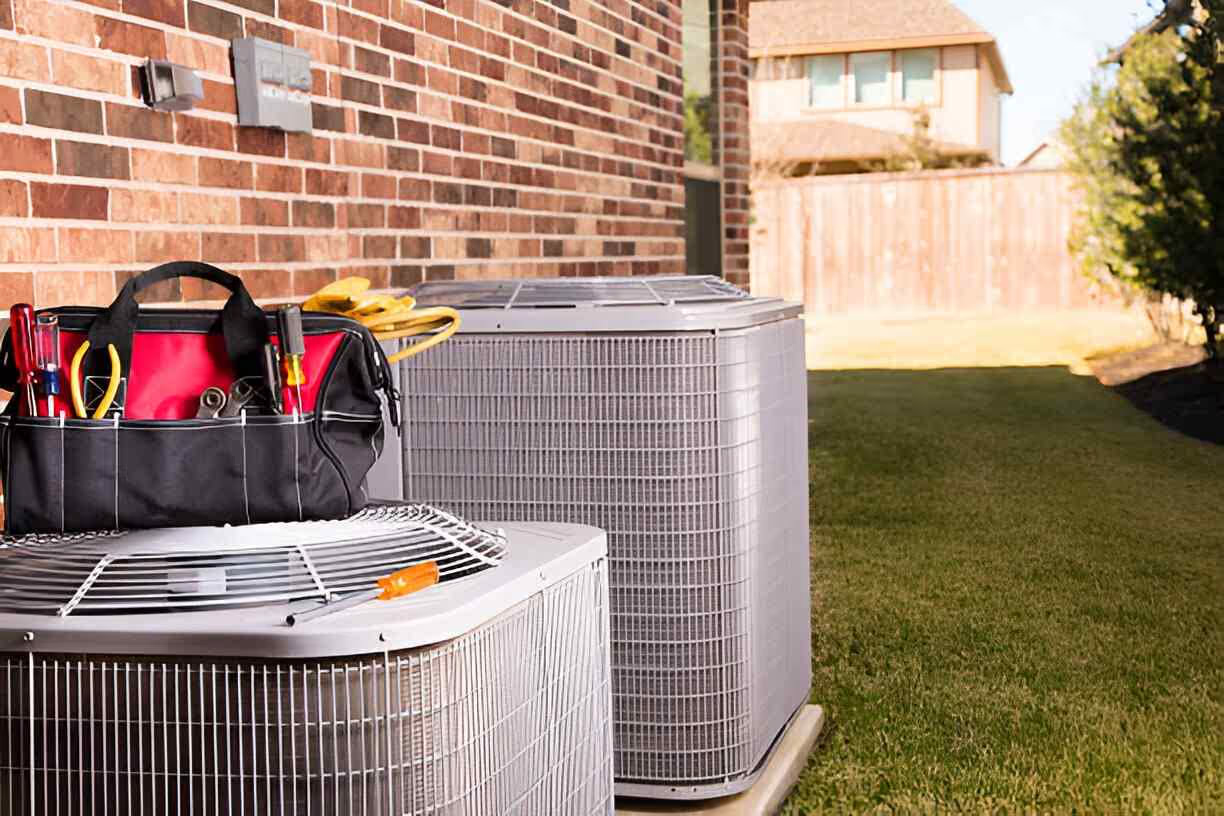
AC Installation in Pico Rivera, CA
Installing a new air conditioning system in Pico Rivera, CA is more than picking a unit and turning it on. Proper AC installation protects comfort, indoor air quality, energy bills, and compliance with local codes. This page explains the full process for AC installation in Pico Rivera, CA — from site assessment and Manual J load calculations to permitting, electrical and ductwork considerations, commissioning, system testing, user orientation, and post-installation support. It focuses on the decisions homeowners need to make confidently and explains why each step matters in Pico Rivera’s climate.
Why proper AC installation matters in Pico Rivera
Pico Rivera experiences hot summers and warm, sun-exposed homes typical of the Los Angeles basin. High daytime temperatures, solar gain through west- and south-facing windows, and occasional poor outdoor air quality (including wildfire smoke) mean correctly sized, sealed, and filtered systems are essential. An improperly sized or poorly installed unit will cycle excessively, increase humidity, shorten equipment life, and raise energy costs in this climate. A compliant installation ensures reliable comfort and reduces the risk of failed inspections or costly rework.
Common AC installation issues in Pico Rivera, CA
- Undersized units that cannot keep up during heat waves
- Oversized units that short-cycle, increasing wear and humidity problems
- Poorly sealed or undersized ductwork, causing pressure imbalances and energy loss
- Insufficient electrical capacity or improper disconnects for new equipment
- Noncompliance with California Title 24 and local permit requirements
- Inadequate filtration for wildfire smoke and urban air quality concerns
Initial site assessment and Manual J load calculation
A thorough site assessment is the first step for AC installation in Pico Rivera, CA. This includes:
- Measuring conditioned space, ceiling heights, and room-by-room square footage
- Inspecting insulation levels, window types and orientation, shading, and attic conditions
- Accounting for occupancy, appliances, and internal heat gains
A detailed Manual J load calculation (room-by-room) determines the correct cooling capacity needed. Manual J accounts for solar gain, envelope characteristics, and internal loads — critical in Pico Rivera where sun exposure and attic heat can dramatically change cooling requirements. Choosing equipment based on a professional load calculation avoids the common pitfalls of oversizing or undersizing.
Equipment selection and accessories
Equipment choices should balance efficiency, durability, and suitability for local conditions:
- Select units with appropriate cooling capacity from the Manual J results and consider SEER ratings that meet or exceed California energy standards.
- Choose refrigerants and equipment compliant with current regulations (modern units use low-GWP refrigerants or approved R-410A replacements).
- Consider enhanced filtration (MERV 8–13 or higher) and whole-home filtration options for wildfire smoke, as well as optional UV lights or electronic air cleaners for improved indoor air quality.
- Include condensate safety devices, line-set insulation, properly rated refrigerant piping, and matched indoor coils to ensure AHRI system compatibility.
Ductwork and airflow considerations
Proper duct design is as important as the equipment itself:
- Use Manual D sizing for ducts to ensure correct airflow to each room.
- Inspect existing ducts for leaks, insulation, and proper routing; seal and insulate as needed to reduce energy loss and improve performance in Pico Rivera’s warm climate.
- Verify static pressure, airflow (CFM), and register distribution during commissioning to ensure balanced comfort throughout the home.
Electrical requirements and safety
Electrical preparation is critical for a code-compliant install:
- Confirm the service panel has adequate capacity and that the circuit breaker sizing matches manufacturer specs.
- Install a properly rated disconnect within sight of the outdoor unit, and ensure wiring and conduit meet NEC and California electrical code requirements.
- Consider surge protection and ground fault provisions where recommended.
- Verify proper voltage, phase, and amperage during system startup to prevent premature equipment failure.
Permitting and code compliance
AC installations in Pico Rivera require permits and must comply with local and California codes:
- Prepare and submit required permit applications to the City of Pico Rivera or Los Angeles County building department, including plans and load calculations.
- Meet California Title 24 energy efficiency requirements where applicable and adhere to local mechanical and electrical codes.
- Coordinate required inspections (rough-in, final) to secure sign-offs and ensure the installation is legally compliant.
Step-by-step installation and commissioning
A typical installation workflow:
- Finalize equipment selection and obtain permits.
- Prepare the site: remove old equipment, level pads, and modify or repair ductwork and electrical as needed.
- Install outdoor condenser and indoor air handler/coil; run refrigerant lines, drain line, and control wiring.
- Connect the electrical service, install disconnect and safety devices.
- Evacuate and pressure test the refrigerant circuit for leaks; charge refrigerant to manufacturer specifications.
- Commission the system: measure airflow, static pressure, superheat/subcooling, voltage and current, and verify thermostat calibration and controls.
- Perform house balancing if required and ensure even temperature distribution.
System testing, documentation, and user orientation
Comprehensive testing and homeowner education are part of a quality AC installation in Pico Rivera, CA:
- Test performance under load: temperature split, airflow, dehumidification, and system cycling behavior.
- Provide documented measurements (as-built Manual J, equipment model numbers, refrigerant charge, electrical readings) and copies of permits and inspection sign-offs.
- Explain thermostat operation, filter replacement schedule, seasonal settings, and basic troubleshooting steps to homeowners.
- Advise on best practices for energy savings in Pico Rivera: programmable thermostats, attic insulation, window shading, and regular maintenance.
Post-installation support and warranty information
Long-term reliability depends on both equipment warranties and workmanship support:
- New equipment typically carries manufacturer warranties on the compressor and parts; warranty terms vary by model and refrigerant type.
- Workmanship or service warranties cover installation-related issues for a defined period; documentation should specify what's covered.
- Recommend a preventive maintenance schedule (at least annual AC tune-ups) to preserve efficiency, extend equipment life, and maintain warranty compliance.
- Provide a clear record of the installation, permit approvals, and manufacturer registration for warranty activation.
Benefits of doing it right the first time
A properly executed AC installation in Pico Rivera, CA delivers:
- Consistent comfort during hot periods with efficient humidity control
- Lower monthly energy use and predictable HVAC costs
- Longer equipment life and fewer repair calls
- Compliance with local codes and successful inspections
- Better indoor air quality when filtration and ventilation are addressed
For homeowners in Pico Rivera, investing in a professionally calculated and code-compliant AC installation minimizes future problems and ensures the system performs as promised in the region’s warm climate and air-quality conditions.
hear what our satisfied clients have to say
.avif)
Service areas

