.avif)
AC Service in Laguna Beach, CA
This page outlines comprehensive AC service for Laguna Beach homes, focusing on routine maintenance, coil and filter care, refrigerant checks, minor repairs, and performance tuning. It explains common local issues such as salt-air corrosion and duct leaks, and details how recurring service plans and priority scheduling help protect warranties, improve efficiency, and extend equipment life. Readers will learn what to expect during visits, the benefits of preventive maintenance, and how to select a plan that fits coastal climate and budget.
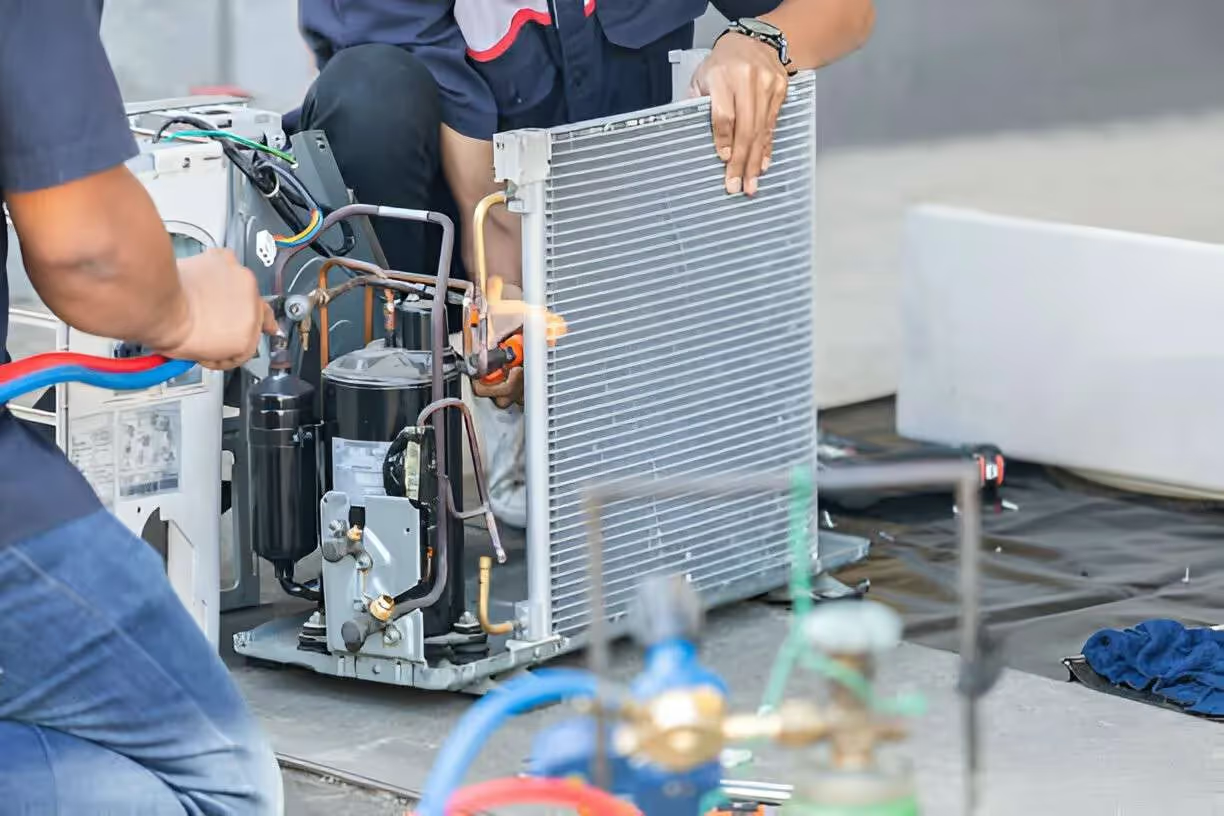
AC Service in Laguna Beach, CA
Keeping your home comfortable year-round in Laguna Beach means addressing unique coastal challenges while maximizing efficiency and equipment life. Professional AC service in Laguna Beach, CA focuses on routine maintenance visits, filter and coil cleaning, refrigerant checks, minor repairs, system performance tuning, and organized service agreements with priority scheduling. This page explains what to expect from comprehensive AC service, common local issues, and how recurring service plans typically work so you can make an informed decision.
Why regular AC service matters in Laguna Beach homes
Laguna Beach’s coastal climate exposes HVAC systems to salt air, humid marine layers, and seasonal temperature swings. Those factors accelerate corrosion on outdoor units, promote coil fouling, and increase demand during warm spells. Regular AC service helps:
- Maintain energy efficiency to lower operating costs in an area where energy considerations are important
- Prevent premature equipment failure from corrosion and wear
- Improve indoor air quality by controlling mold and allergens amplified by coastal humidity
- Preserve manufacturer warranties by documenting scheduled maintenance
Common AC issues in Laguna Beach, CA
Understanding local trends helps prioritize service. Typical problems technicians address in Laguna Beach include:
- Corroded condenser fins and connectors from salt air exposure
- Reduced cooling capacity due to dirty evaporator and condenser coils
- Frequent short cycling from clogged filters or failing capacitors
- Refrigerant leaks or incorrect refrigerant charge leading to poor performance
- Duct leaks or moisture-related mold growth in attic or crawlspace ducts
- Thermostat calibration problems affecting comfort and efficiency
What routine maintenance visits include
A professional routine maintenance visit is more than a quick inspection. Standard steps include:
- Visual inspection of indoor and outdoor unit condition, looking for corrosion, rodent damage, and refrigerant oil stains
- Filter check and replacement or recommendation based on HVAC type and home environment
- Coil cleaning for evaporator and condenser coils to restore heat transfer efficiency
- Condensate drain inspection and cleaning to prevent clogs and water damage
- Electrical checks: testing capacitors, contactors, fuses, and wiring for wear or overheating
- Blower and fan adjustments, lubrication where applicable, and belt inspection
- Thermostat and control system verification and calibration
- Refrigerant level check: measuring pressures and temperatures to confirm proper charge
- Airflow measurements to identify duct restrictions or blower issues
These steps preserve system efficiency and reduce the risk of expensive emergency repairs during peak demand.
Refrigerant checks and repair basics
Refrigerant management is a core safety and performance task. During service, technicians will:
- Measure refrigerant pressures and superheat/subcooling to verify charge
- Inspect for visual signs of leaks (oil stains, damaged fittings)
- Use leak detection tools when indicated
- Discuss repair options for any identified leaks; California regulations require EPA-certified handling for refrigerants
- Avoid topping off refrigerant without addressing leaks, as this is temporary and can mask underlying problems
Proper refrigerant handling maximizes cooling performance and complies with environmental rules.
Typical minor repairs and performance tuning
Many performance problems are resolved with minor repairs and tuning performed during or after a maintenance visit, including:
- Replacing worn capacitors and contactors to stop hard starts and short cycling
- Repairing or tightening electrical connections to prevent failures
- Adjusting refrigerant charge and airflow for optimal evaporator performance
- Clearing or repairing condensate drains and pans
- Sealing accessible duct leaks and replacing damaged sections to restore airflow balance
- Cleaning or replacing air filters more frequently in salt-air or pollen seasons
These interventions often prevent breakdowns and restore lost efficiency without full system replacement.
AC service agreements and priority scheduling
Service agreements (also called maintenance plans) are designed for predictable maintenance and priority attention during busy periods. Typical features include:
- Scheduled preventive maintenance visits (usually annually or biannually)
- Priority scheduling during high-demand months to reduce wait times
- Discounts on diagnostic fees or standard labor for covered repairs
- Detailed service reports documenting work performed and recommended follow-up
- Automated reminders for upcoming visits and filter changes
For Laguna Beach residents, agreements help ensure units are prepped before summer peaks and get expedited support if an issue arises during heat waves.
Benefits of regular servicing: energy savings and longevity
Consistent maintenance delivers measurable benefits:
- Energy savings: A clean, tuned system runs less and delivers more cooling per kWh
- Fewer breakdowns: Preventive work catches small faults that could cause major failures
- Extended equipment life: Reducing stress on compressors and motors delays replacement
- Better indoor air quality: Clean coils, ducts, and filters reduce allergens and mold risk
- Predictable costs: Planned maintenance reduces surprise emergency repair expenses
These outcomes matter in coastal Southern California, where comfort, air quality, and equipment longevity intersect with seasonal use patterns.
How recurring service plans generally work
Enrolling in a recurring service plan typically follows these steps:
- Initial system assessment to document current condition and identify immediate needs.
- Agreement on visit frequency (commonly spring and fall tune-ups for many Laguna Beach homes).
- Scheduling of maintenance windows with priority time slots during peak seasons.
- Delivery of maintenance visits that include inspections, cleaning, safety checks, and a written report of findings.
- Ongoing scheduling, reminders, and documentation to keep records current for warranty and resale value.
Plans are structured to provide convenience and predictable maintenance, especially valuable for homes affected by coastal wear.
Maintenance tips for Laguna Beach homeowners
Simple homeowner actions complement professional service:
- Replace or clean filters monthly during heavy-use months or when coastal dust is visible
- Keep outdoor coils free of debris and rinse gently if salt build-up is noticed
- Schedule a pre-summer tune-up to verify cooling capacity and refrigerant charge
- Inspect outdoor unit mounting and electrical weatherproofing annually
- Track system performance and note any unusual noises, odors, or cycling patterns
Regular vigilance, combined with professional AC service in Laguna Beach, CA, keeps systems reliable and efficient.
ConclusionFor Laguna Beach homeowners, targeted AC service protects performance against coastal challenges while improving efficiency and indoor comfort. Routine maintenance visits, thorough filter and coil cleaning, accurate refrigerant checks, timely minor repairs, and a structured service agreement with priority scheduling together deliver energy savings and extend equipment life. Understanding the components of a service plan and the local issues your system faces helps you choose the right level of care for lasting comfort.
hear what our satisfied clients have to say
.avif)
Service areas

