.avif)
AC Tune-Up in La Habra, CA
This page explains why an AC tune-up is essential for La Habra, CA homes facing hot summers, dust, and Santa Ana winds. It outlines the step-by-step diagnostic process, from initial inspection to refrigerant checks and performance verification, and describes how regular maintenance restores airflow, reduces energy use, and extends equipment life. Readers will learn what a professional tune-up covers, how it prevents breakdowns, and why scheduling maintenance before peak season is a smart, cost-saving choice.
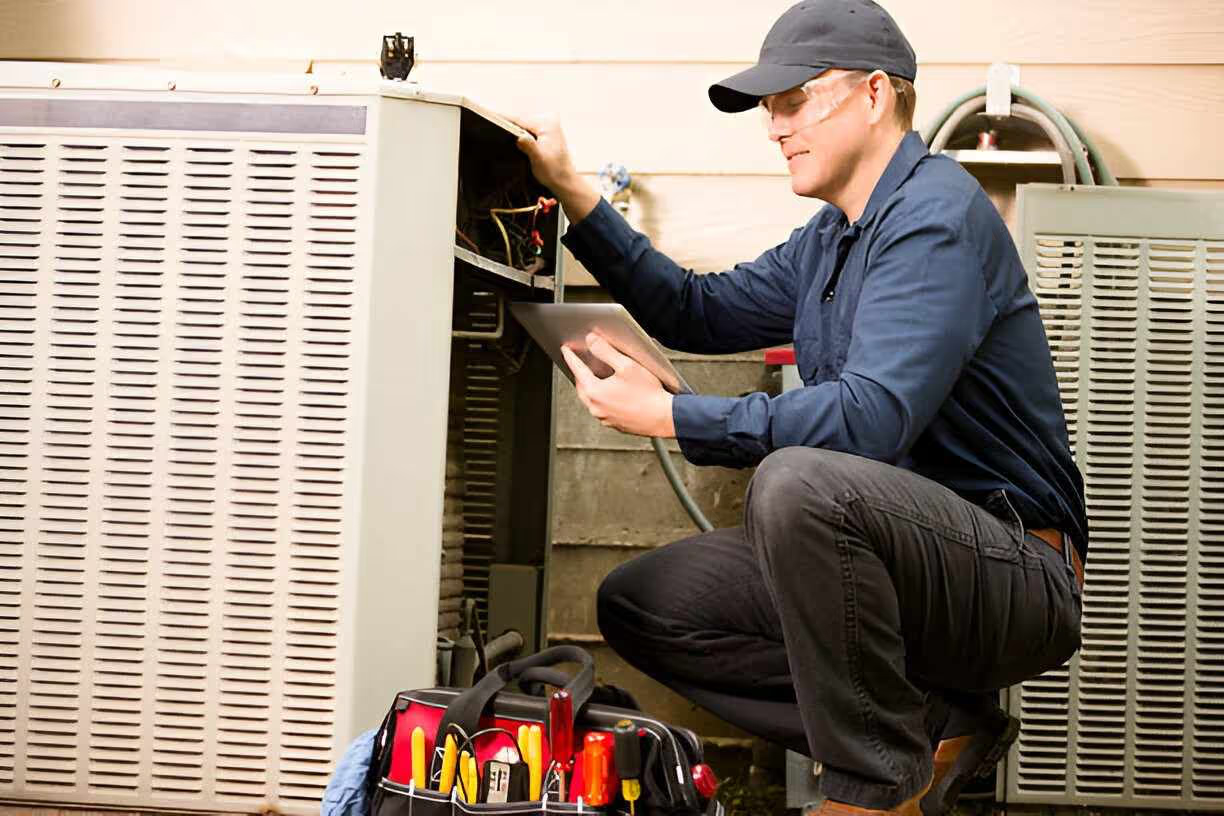
AC Tune-Up in La Habra, CA
A seasonal AC tune-up is the single most effective preventive step you can take to keep your home comfortable and avoid emergency repairs during La Habra’s hot months. Regular maintenance restores system efficiency, extends equipment life, and reduces the likelihood of mid-summer breakdowns when temperatures regularly climb into the 80s and 90s. For homes in La Habra, CA, where heat, dust, and seasonal winds increase cooling demand, a thorough tune-up protects performance and keeps energy costs down.
Why an AC tune-up matters in La Habra, CA
La Habra’s inland-Orange County climate puts a regular strain on air conditioners. Higher summer temperatures, occasional Santa Ana winds that carry dust, and seasonal wildfire smoke can clog filters and coils faster than in milder coastal areas. That extra load increases compressor run-time and accelerates wear on moving parts. A seasonal tune-up addresses these local stressors by restoring airflow, checking refrigerant levels, and ensuring electrical components are operating safely.
Common AC problems we see in La Habra homes
- Weak or uneven cooling — often caused by dirty coils, clogged filters, or low refrigerant.
- Higher than normal energy bills — reduced efficiency from fouled coils or failing components.
- Frequent cycling (short cycling) — can indicate refrigerant issues or thermostat/controls problems.
- Strange noises — squealing, grinding, or rattling often point to worn bearings, loose parts, or a failing blower motor.
- Ice on evaporator coil — typically a refrigerant or airflow issue that can lead to compressor damage.
- Odors or water leaks — clogged condensate drains or mold in drain pans and ducts.
- Tripped breakers or electrical issues — deteriorated wiring, bad capacitors, or failing contactors.
What a seasonal AC tune-up includes
A professional AC tune-up is systematic and covers key components that affect performance and safety. Typical tune-up tasks include:
- Visual inspection of system condition (indoor and outdoor units)
- Cleaning evaporator and condenser coils to restore heat transfer efficiency
- Checking and adjusting refrigerant charge to manufacturer specifications
- Inspecting and tightening electrical connections and testing capacitors/contactors
- Measuring motor amp draws and system pressures for safe operation
- Lubricating moving parts (where applicable) to reduce friction and noise
- Testing thermostat calibration and controls to ensure accurate temperature control
- Verifying and optimizing airflow by inspecting blower assembly, fan blades, and duct connections
- Checking and clearing condensate drains and pans to prevent backups and mold growth
- Inspecting air filter and recommending replacement or replacement if part of the service
- Providing a maintenance checklist and report with any recommended repairs
Step-by-step diagnostic process (what an owner can expect)
- Initial system inspection: The technician examines the outdoor condenser and indoor evaporator, noting obvious wear, leakage, or damage.
- Safety checks and electrical tests: Voltage and amperage are measured and connections tightened; capacitors and contactors are tested for reliable starts.
- Airflow evaluation: Airflow is measured and the blower/fan assembly is inspected; filters are checked and replaced if necessary.
- Coil cleaning: Condenser and evaporator coils are cleaned to remove dust and debris that reduce efficiency.
- Refrigerant check: Refrigerant pressures are measured and compared to specifications; refrigerant is adjusted only if it meets criteria for safe service.
- Thermostat and control calibration: The thermostat is tested and calibrated for accurate temperature control and to reduce short cycling.
- Final performance verification: Temperature split (supply vs return), system operating pressures, and run-time behavior are recorded to confirm improved performance.
How tune-ups improve efficiency and prevent breakdowns
- Restored heat transfer: Clean coils allow the system to cool more effectively with less runtime, lowering energy use.
- Reduced compressor strain: Proper refrigerant levels and unrestricted airflow reduce the workload on the compressor, the most expensive component to replace.
- Improved reliability: Tightened electrical connections and tested capacitors prevent unexpected failures that often occur under peak load.
- Lower operating costs: Efficient systems use less energy and have fewer emergency repair expenses over time.
- Longer equipment life: Routine lubrication and part inspections reduce wear and delay the need for premature replacement.
- Healthier indoor air: Clearing condensate drains and replacing filters reduces mold growth and dust recirculation, important during wildfire season or dusty periods.
Maintenance checklist for La Habra homeowners
- Replace or clean air filters every 1–3 months during high-use periods
- Keep the outdoor condenser clear of vegetation, dust, and debris
- Schedule a professional tune-up at least once annually—ideally before the cooling season
- Monitor for signs: odd noises, higher bills, weak airflow, or frequent cycling
- Ensure vents and returns are unobstructed and sealed
- Have ducts inspected if you notice uneven cooling or large dust buildup
Typical signs that you need a tune-up now
- Cooling feels noticeably weaker than last summer
- Energy bills spike without another explanation
- The system cycles rapidly on and off or runs continuously
- You detect musty odors coming from vents or see water leaking near the indoor unit
- The outdoor unit is noisy, vibrating, or has visible frost/ice
Bottom-line benefits for La Habra homes
A professional seasonal AC tune-up in La Habra, CA improves comfort, lowers operating costs, and significantly reduces the risk of inconvenient breakdowns during the hottest months. With local climate factors like heat, dust, and occasional smoke increasing HVAC strain, regular maintenance is the most reliable way to protect system performance and indoor air quality. The maintenance checklist and diagnostic steps described here provide clear expectations of what a tune-up covers and why each task matters for your home.
Regular tune-ups are a practical, preventive approach that keeps your AC running efficiently and reliably when you need it most.
hear what our satisfied clients have to say
.avif)
Service areas

