.avif)
Heat Pump Maintenance in Jurupa Valley, CA
This page outlines comprehensive heat pump maintenance for Jurupa Valley homes, explaining why regular servicing matters in a hot, dusty climate. It covers common issues such as dirty filters, dirty coils, refrigerant leaks, and electrical wear, and describes routine tasks like filter replacement, coil cleaning, refrigerant checks, and safety inspections. A clear diagnostic process is shown, along with recommended maintenance schedules and service plan options, highlighting energy savings, reduced failures, improved comfort, and longer equipment life.
Heat Pump Maintenance in Jurupa Valley, CA
Keeping your heat pump running efficiently is essential in Jurupa Valley, CA, where hot summers and dusty, dry conditions put extra strain on HVAC systems. Routine heat pump maintenance preserves comfort, improves energy efficiency, extends equipment life, and helps avoid mid-summer breakdowns when temperatures spike. This page explains the maintenance services you should expect, common regional issues in Jurupa Valley, a clear diagnostic and service process, and the measurable benefits of regular upkeep.
Why Heat Pump Maintenance Matters in Jurupa Valley, CA
Jurupa Valley’s inland Southern California climate means longer, hotter cooling seasons and frequent dust, pollen, and debris buildup. That increases filter loading and fouling of coils and condensers, forcing your heat pump to work harder. Regular maintenance:
- Restores and preserves system efficiency, lowering energy bills and reducing wear.
- Identifies refrigerant or electrical problems before they cause failures.
- Improves indoor air quality by reducing dust and allergens circulated through your home.
- Extends equipment lifespan so you get the most from your investment.
Common Heat Pump Issues in Jurupa Valley
Homeowners in Jurupa Valley commonly see the following problems due to climate and lifestyle factors:
- Dirty or clogged filters from dust and seasonal pollen, causing reduced airflow and strain on the blower.
- Contaminated condenser and evaporator coils that reduce heat transfer efficiency.
- Low refrigerant levels from slow leaks, which lower capacity and increase run times.
- Electrical wear or loose connections after prolonged high-load operation.
- Short cycling or inadequate heating/cooling caused by thermostat calibration issues or reversing valve problems.
- Clogged condensate drains leading to water damage or system shutdowns.
- Outdoor unit debris from landscaping, windblown dust, and occasional high winds.
Routine Heat Pump Services Provided
A complete maintenance visit typically includes these items to address the issues above and keep your system performing:
- Seasonal inspections: Visual and operational checks in spring for cooling readiness and fall for heating readiness.
- Filter replacement or cleaning: Disposable filters replaced or reusable filters cleaned and inspected. Frequency adjusted for pets, smoking, or high dust.
- Coil and condenser cleaning: Evaporator and condenser coils cleaned to restore heat transfer and airflow.
- Refrigerant level check: Verify correct charge and inspect for signs of leaks; recommend leak diagnosis if levels are low.
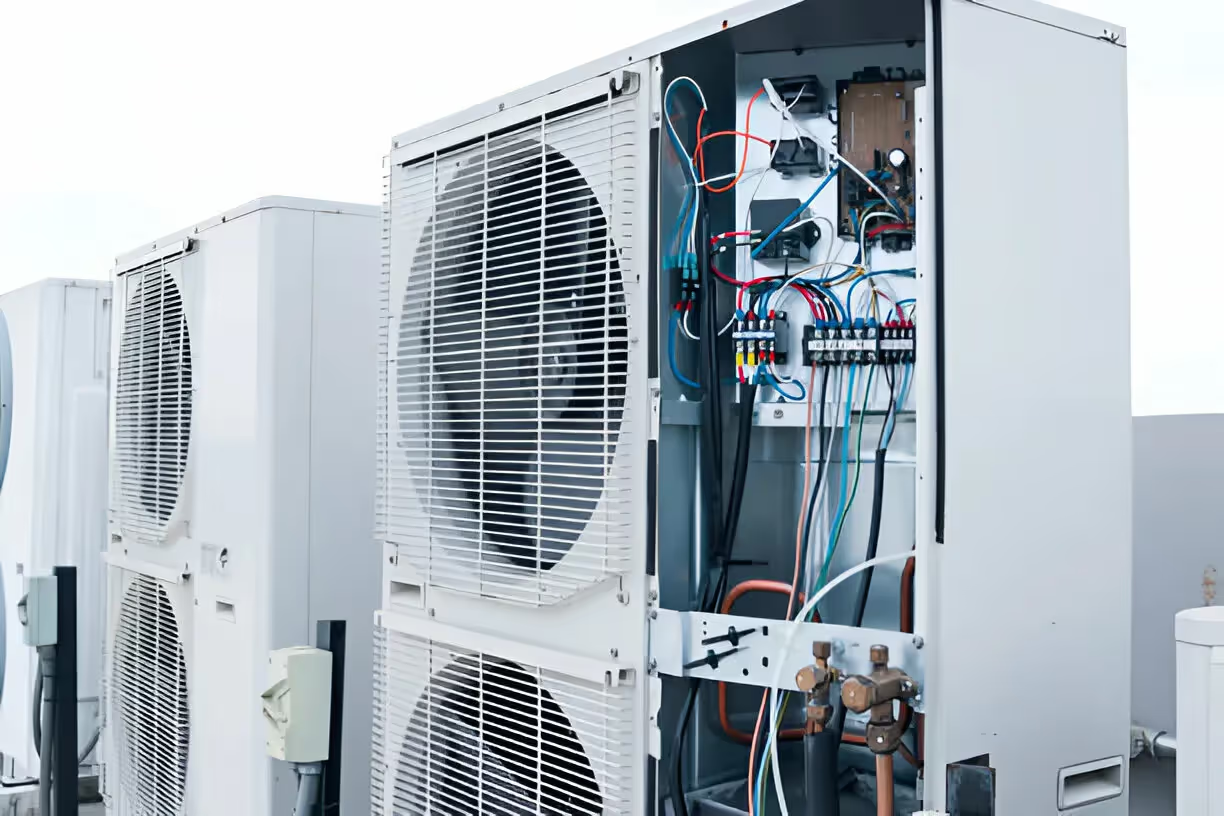
- Electrical and safety inspections: Check wiring, contactors, capacitors, fuses, and safety controls for wear, proper tightening, and correct operation.
- Performance tuning: Measure pressures, temperatures, airflow, and system run times to optimize efficiency; adjust thermostats and controls.
- Blower and motor service: Inspect and lubricate motor bearings where applicable, check belt condition, and measure blower amp draw.
- Drain line and pan cleaning: Clear condensate lines and ensure proper drainage to prevent clogs and mold growth.
- Ductwork and airflow assessment: Check for obvious leaks or blockages and measure static pressures if problems are suspected.
- Reversing valve and defrost system check: Ensure proper operation for reliable heating performance in cooler periods.
Diagnostic Process — What Happens During a Visit
Technicians follow a methodical, data-driven approach to diagnose and tune your heat pump:
- Record system model, age, and maintenance history to set baseline expectations.
- Run the system through heating and cooling cycles to observe behavior, listen for abnormal noises, and note run times.
- Inspect and test electrical components with meters to find loose connections, failing capacitors, or motors drawing excessive current.
- Measure refrigerant pressures and temperature differentials across the evaporator and condenser to evaluate charge and heat transfer.
- Check airflow at registers and return; inspect filters, coils, and blower assembly.
- Evaluate safety devices and controls to ensure proper shutdown in unsafe conditions.
- Provide clear findings and recommended services or repairs prioritized by safety and efficiency impact.
Recommended Maintenance Schedule for Jurupa Valley Homes
To match local conditions, adopt a maintenance cadence that balances performance and cost:
- Twice-yearly inspections: Spring (pre-cooling season) and fall (pre-heating season) are ideal. These visits focus on seasonal readiness and performance tuning.
- Filter replacement: Every 1 to 3 months depending on filter type, household dust, pets, and allergies. Homes in Jurupa Valley often benefit from more frequent changes during the dusty season.
- Coil cleaning and refrigerant check: Annually, with more frequent coil cleaning if your outdoor unit is exposed to pollen, construction dust, or frequent windblown debris.
- Electrical and safety inspection: Annually during a seasonal visit; systems older than 10 years may need more frequent electrical attention.
Service Plan Options and What They Deliver
Homeowners often choose from tiered plans that bundle routine tasks for predictable upkeep:
- Basic tune-up: Seasonal inspection, filter check and replacement, visual coil and drain inspection, basic electrical and safety tests.
- Comprehensive maintenance: Everything in basic plus coil and condenser cleaning, refrigerant check, airflow balancing, and detailed electrical testing.
- Priority or planned maintenance: Annual comprehensive service with scheduled seasonal visits, priority scheduling for service calls, and detailed system performance reports.
Each plan reduces the likelihood of emergency repairs and helps maintain optimal efficiency all year.
Benefits of Regular Heat Pump Maintenance
Regular upkeep delivers measurable advantages for Jurupa Valley households:
- Lower energy bills: Cleaner coils and correct refrigerant charge reduce run times and electrical consumption.
- Fewer breakdowns: Early detection of worn components prevents costly mid-season failures.
- Improved comfort: Consistent temperatures, better humidity control, and quieter operation.
- Longer equipment life: Proper lubrication, cleaning, and electrical care reduce premature wear and extend service life.
- Healthier indoor air: Better filtration and cleaner coils limit dust and allergens recirculated through the home.
Final Notes on Prioritizing Maintenance
Given Jurupa Valley’s extended cooling season, dry conditions, and frequent dust and pollen, proactive maintenance is not optional if you want dependable, efficient heat pump performance. Seasonal inspections and a sensible filter schedule are the most effective, low-cost steps to protect comfort and reduce operating costs. Regular maintenance also creates a clear record of care, which is useful when evaluating long-term system replacement options.
For homeowners weighing repair versus replacement, keep documented maintenance results handy. They make it easier to assess whether investing in repairs or upgrading to a newer, higher-efficiency heat pump is the right decision based on system age, repair history, and energy use.
hear what our satisfied clients have to say
.avif)
Service areas

