.avif)
Heat Pump Maintenance in Newport Beach, CA
Heat pump maintenance in Newport Beach delivers reliable comfort, energy efficiency, and longer equipment life through routine inspections, coil cleaning, refrigerant checks, electrical tests, and performance tuning. The service emphasizes coastal conditions, seasonal demands, and warranty considerations, guiding homeowners through common issues like salt-induced corrosion, clogged condensate drains, dirty coils, and airflow restrictions. A professional tune-up includes a comprehensive checklist, diagnostic steps, and tailored seasonal plans that prevent costly repairs while maximizing comfort and efficiency year-round.
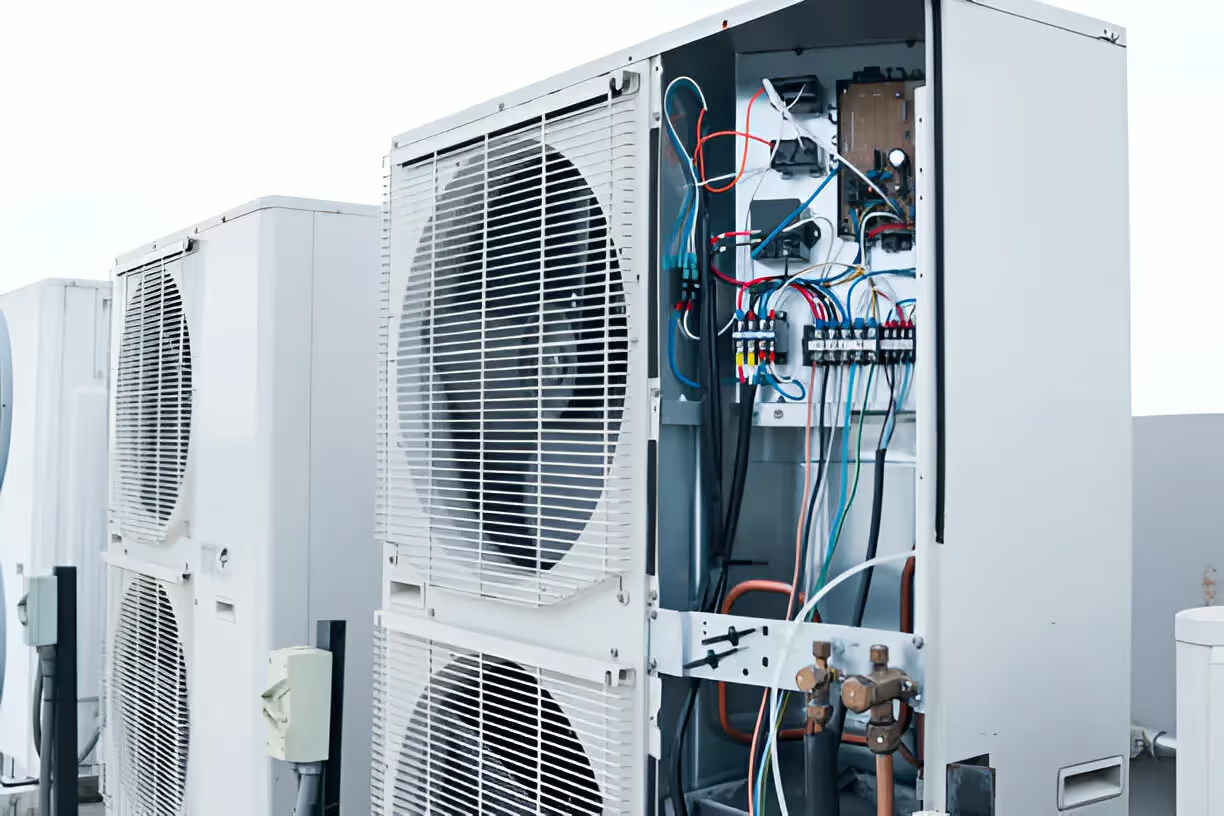
Heat Pump Maintenance in Newport Beach, CA
Keeping your heat pump well maintained is one of the most effective ways to ensure reliable comfort, lower energy bills, and a longer system life in Newport Beach homes. Coastal climate, year-round mild temperatures, and salt air exposure create unique demands on heat pump equipment here. Regular maintenance and seasonal service plans focused on inspections, coil and condensate drain cleaning, refrigerant checks, electrical and control system inspections, lubrication, and performance tuning prevent small issues from becoming major repairs and help your system run at peak efficiency.
Why routine heat pump maintenance matters in Newport Beach, CA
- Coastal salt air accelerates corrosion on outdoor coils and electrical connections, increasing the need for visual inspection and protective cleaning.
- Higher humidity and mild winters mean heat pumps run across seasons, increasing cumulative wear on components.
- Proper maintenance preserves efficiency, which is particularly important with California energy costs and environmental standards.
- Manufacturer warranties often require routine maintenance to remain valid, so documented tune-ups protect your warranty status.
Common heat pump maintenance issues in Newport Beach
- Corroded outdoor coils and fasteners from salt exposure that reduce heat exchange efficiency.
- Clogged condensate drains and pans from coastal humidity and biological growth, leading to water damage or shutdowns.
- Dirty evaporator and condenser coils that lower capacity and increase run time.
- Low refrigerant or leaking lines that reduce heating and cooling performance.
- Electrical and control failures (loose connections, failing capacitors or contactors) caused by moisture and vibration.
- Reduced airflow from dirty filters and restricted return vents, increasing compressor stress.
What a professional heat pump tune-up includes
A comprehensive tune-up follows a checklist designed to maximize performance and uncover early signs of trouble. Typical items included in a tune-up:
- Visual inspection of outdoor and indoor units, mounting, and exterior paneling.
- Cleaning of condenser and evaporator coils to restore heat transfer.
- Condensate drain and pan cleaning and verification of proper drainage to prevent overflow and microbial growth.
- Filter inspection and replacement or cleaning recommendations to restore airflow and indoor air quality.
- Refrigerant level and pressure checks to detect leaks and verify proper charge.
- Electrical inspection: tighten connections, inspect wiring, test capacitors, contactors, relays, and fuses for wear or corrosion.
- Motor, fan, and blower assembly inspection and lubrication where applicable.
- Thermostat calibration and control system checks to ensure accurate operation and proper sequencing.
- Airflow evaluation and measurement of supply/return temperature split to verify system balance.
- Defrost cycle check and seasonal performance testing for heat pump-specific functions.
- Safety control tests and documentation of findings with clear recommendations for any repairs.
- Performance tuning: adjusting settings for efficiency, verifying reverser valve function, and optimizing defrost scheduling.
Diagnostic approach and what to expect
Technicians use a systematic process to diagnose and tune your heat pump without unnecessary complexity. Typical diagnostic steps:
- Start with system history and homeowner observations to target likely concerns.
- Perform static visual and mechanical inspections for corrosion, leaks, and physical damage.
- Measure electrical values with a multimeter to identify failing components.
- Check refrigerant pressures and temperature differentials to confirm proper charge and heat exchange.
- Verify airflow and duct performance; recommend duct sealing or filter upgrades if needed.
- Run the system through cooling and heating cycles to observe real-world performance, including defrost operation and thermostatic response.
Reports usually include a plain-language summary of condition, prioritized recommendations, and any immediate safety concerns.
Seasonal service plans tailored for Newport Beach
- Spring / Pre-Cooling Tune-Up: Focus on condenser coil cleaning, refrigerant check, filter replacement, and refrigerant leak detection to prepare for high-use cooling months.
- Fall / Pre-Heating Tune-Up: Emphasizes defrost cycle checks, reversing valve function, electrical inspections, and low-temperature performance to prepare the system for heating demands.
- Biannual Plan: Combines spring and fall tune-ups for year-round protection, addressing issues that develop from continuous seasonal use.
- Annual Comprehensive Inspection: A single, in-depth annual review for systems with lighter use, including all checklist items and a documented service report.
Seasonal plans recognize local climate patterns: humidity-driven condensate problems in warmer months and occasional cool spells that test defrost and low-temperature efficiency.
Common repairs and solutions following maintenance
When tune-ups uncover issues, common professional solutions include:
- Coil cleaning and corrosion treatment to restore heat transfer and delay component failure.
- Condensate drain clearing, trap cleaning, and installation of auxiliary drain treatments to prevent clogs and overflow.
- Refrigerant leak detection and repair followed by recharge to manufacturer specifications.
- Replacement of worn electrical components such as capacitors, contactors, or relays to prevent compressor failures.
- Fan motor or blower wheel servicing and replacement to restore correct airflow and reduce noise.
- Thermostat or control board replacement and reconfiguration to address erratic cycling or control faults.
- Duct sealing and filter upgrades to improve system efficiency and indoor air quality.
Benefits of regular maintenance
- Improved energy efficiency and more consistent comfort throughout your home.
- Lower risk of unexpected breakdowns and reduced likelihood of major component failure.
- Extended equipment life by reducing stress on the compressor and motors.
- Better indoor air quality through cleaner coils and fresh filters.
- Documentation of maintenance for warranty compliance and potential resale value.
- Predictable budgeting and prioritized repairs based on documented findings.
Choosing the right maintenance agreement
Maintenance agreements are structured to match homeowner needs and system age:
- Basic Annual Plan: One thorough inspection and tune-up per year, with a detailed report of condition.
- Preferred Biannual Plan: Two seasonal visits per year to address cooling and heating transitions and reduce corrosion and condensate risks.
- Comprehensive Service Plan: Biannual tune-ups plus enhanced monitoring, priority scheduling, and a documented history of repairs and adjustments that helps preserve warranties.
Each option typically outlines what is included in the tune-up, any service response expectations, and how recommended repairs are handled. For Newport Beach residents, biannual plans are often recommended due to year-round operation and coastal environmental factors.
Maintenance tips for Newport Beach homeowners
- Check and change filters monthly during high-use seasons to maintain airflow and efficiency.
- Keep outdoor unit area clear of debris, plants, and sand to reduce corrosion and airflow restrictions.
- Monitor condensate pans for standing water and unusual odors that indicate a clogged drain.
- Keep thermostat setpoints reasonable to prevent excessive cycling; programmable or smart thermostats can optimize comfort and efficiency.
Regular maintenance of your heat pump preserves comfort and helps avoid inconvenient failures. Tailoring service and seasonal plans to Newport Beach conditions—salt air exposure, humidity, and year-round operation—delivers the best balance of efficiency, reliability, and long-term performance.
hear what our satisfied clients have to say
.avif)
Service areas

