.avif)
Heat Pump Maintenance in Pasadena, CA
Heat pump maintenance for Pasadena homes is covered here, detailing what a seasonal tune-up covers, the common local issues, recommended service schedules, and available maintenance plans. It explains how regular inspections, coil cleaning, refrigerant checks, and electrical tests improve efficiency, prevent breakdowns, and extend equipment life in hot, dusty conditions. Readers will understand how to choose a plan based on system age and usage, and what to expect during visits to ensure reliable comfort year-round.
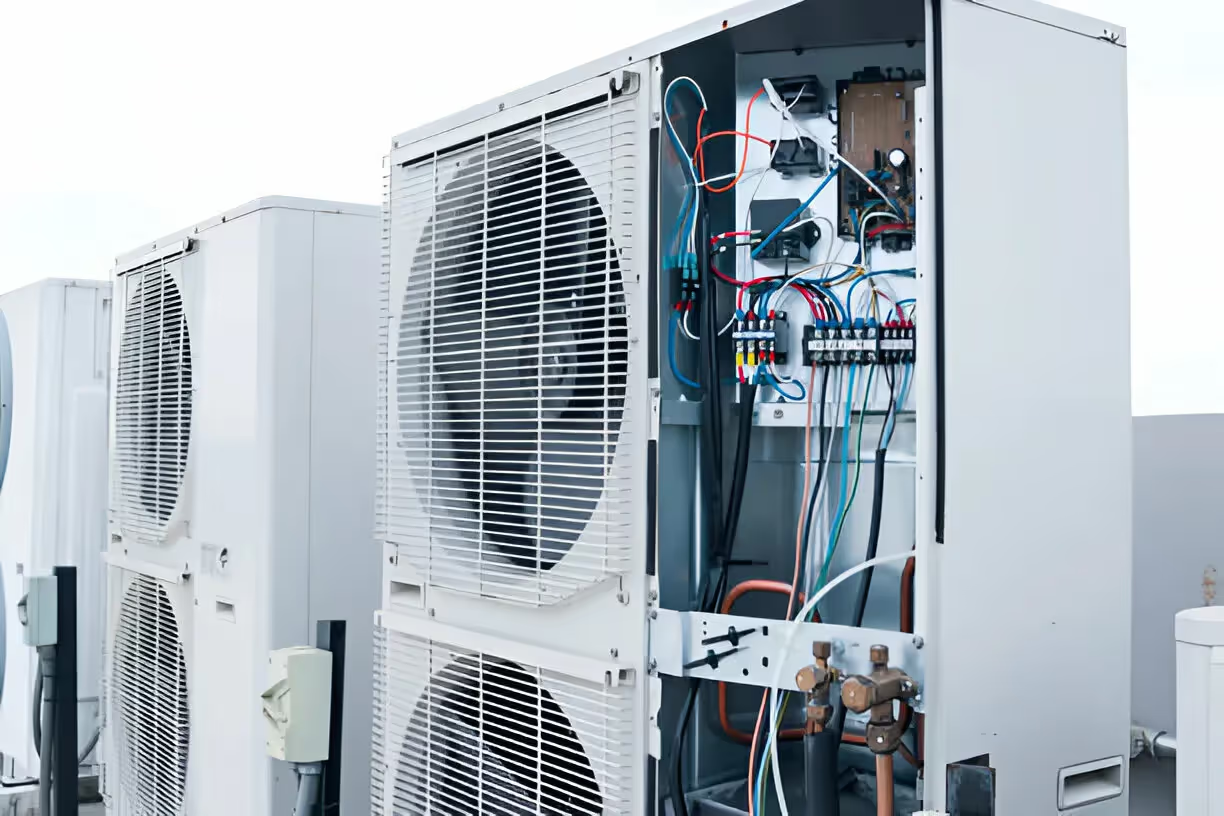
Heat Pump Maintenance in Pasadena, CA
Keeping your heat pump running reliably and efficiently in Pasadena, CA means routine care that accounts for local weather patterns, seasonal demand, and the dust and debris common in Southern California neighborhoods. Regular heat pump maintenance reduces energy costs, prevents mid-season breakdowns, and lengthens equipment life. This page explains what professional maintenance includes, common heat pump issues in Pasadena homes, recommended schedules, and the types of service plans available so you can choose the right routine for your system.
Why routine heat pump maintenance matters in Pasadena
Pasadena has hot, dry summers, occasional heat waves, and seasonal Santa Ana winds that carry dust and debris. Those conditions increase cooling loads and accelerate filter and coil fouling. At the same time, many local homes run heat pumps nearly year-round because winters are mild but can still require heating during cool snaps. Combined, these factors make regular maintenance essential to:
- Preserve seasonal efficiency for lower energy bills
- Prevent compressor and electrical failures during peak demand
- Maintain consistent indoor comfort and airflow
- Catch refrigerant leaks or component wear before they cause breakdowns
Common heat pump issues in Pasadena homes
Understanding typical problems helps prioritize maintenance. The most common issues seen in Pasadena include:
- Clogged or dirty filters from high dust levels and pollen, causing reduced airflow and frozen coils
- Dirty condenser and evaporator coils, lowering heat transfer and increasing run time
- Low refrigerant due to leaks or undercharging, which reduces capacity and risks compressor damage
- Electrical and control faults, such as loose connections, failing capacitors, or worn-contactors from frequent cycling in hot weather
- Imbalanced airflow or duct problems, causing hot or cold spots and stress on the system
- Weak thermostat calibration or communication errors, leading to incorrect cycling or comfort issues
- Clogged condensate drain lines that create overflow risks or secondary water damage
What a professional Pasadena heat pump tune-up includes
A comprehensive seasonal tune-up addresses performance, safety, and reliability. Typical steps in a professional maintenance visit include:
- Visual inspection of outdoor and indoor units for debris, corrosion, and physical damage
- Filter inspection and replacement or recommendations for quality filters tailored to your home
- Cleaning of outdoor condenser coil and indoor evaporator coil to restore heat transfer efficiency
- Checking and topping refrigerant levels; testing for leaks if levels are low
- Electrical inspection: tightness of connections, testing capacitors, contactors, relays, and safety controls
- Motor and blower inspection: measuring airflow, cleaning, and lubrication if applicable
- Thermostat calibration and control checks, including Wi Fi or smart thermostat settings if installed
- Performance testing: measuring temperature split, running current, and system pressures to confirm proper operation
- Drain line clearing and condensate pan inspection to prevent clogs and microbial growth
- Documented service report with observed issues and recommended follow up actions
Each step is designed to reduce immediate risks and provide data to evaluate the system's long-term health.
Seasonal schedule recommended for Pasadena heat pumps
For Pasadena households, a preventive schedule that reflects year-round use is most effective:
- Spring tune-up (before cooling season): Full system inspection, coil cleaning, refrigerant check, and airflow optimization to prepare for summer demand.
- Fall tune-up (before heating season): Verify reversing valve and heating performance, inspect defrost controls, and repeat electrical and refrigerant checks.
- Filters: Check every 1 month for inexpensive fiberglass or pleated filters; every 2 to 3 months for moderate use; high-efficiency filters or homes with pets may need monthly changes.
- Coils and drains: Clean coils and clear drains at least once per year; semiannual schedule if the outdoor unit is exposed to heavy dust or nearby landscaping debris.
- Duct and airflow inspection: Annual inspection; earlier if occupants notice uneven temperatures or poor airflow.
A two-visits-per-year plan aligns well with Pasadena climate patterns and balances preventive care with cost effectiveness.
Service plan options and what to expect
Heat pump service plans can be structured to match your needs and the age of your equipment. Common plan types include:
- Base seasonal tune-up plan: Two scheduled tune-ups per year covering standard inspection items, basic cleaning, and performance testing. Ideal for newer systems or homes with moderate use.
- Comprehensive maintenance plan: Includes biannual visits plus filter replacements, priority scheduling windows, and enhanced diagnostics for refrigerant and electrical systems. Suited to older systems or high-use homes.
- Preventive care with parts inspection: Adds in-depth checks of wear items such as capacitors, contactors, and blower motors, with recommendations for proactive replacement before failure.
- Custom plans for high-efficiency systems: Tailored for variable-speed compressors, inverter-driven units, and homes with sensitive indoor air quality needs. May include advanced refrigerant monitoring and smart thermostat integration checks.
When comparing plans, consider the system age, frequency of use, and local environmental factors like dust from Santa Ana winds that increase the need for filter and coil attention.
How maintenance improves performance and reduces risk
Regular professional maintenance delivers measurable benefits:
- Improved efficiency: Clean coils and correct refrigerant charge lower energy consumption, often restoring several percentage points of efficiency lost to neglect.
- Lower emergency repairs: Detecting worn parts or leaks early prevents catastrophic compressor failures and emergency service calls.
- Extended equipment life: Routine lubrication, electrical tightening, and preventive replacements reduce wear and extend the useful life of the heat pump.
- Consistent comfort: Proper airflow, accurate thermostat operation, and balanced refrigerant ensure reliable heating and cooling when you need it.
- Health and safety: Clearing condensate drains and cleaning coils reduces mold and bacteria growth; electrical inspections lower fire risk from loose connections.
Maintenance tips Pasadena homeowners can use between service visits
- Check filters monthly and replace when visibly dirty
- Keep at least two feet of clearance around the outdoor unit; remove debris after storms and wind events
- Clear vegetation and trim landscaping to prevent airflow restriction
- Monitor system runtime and note unusual noises or frequent cycling for earlier diagnostics
- Set smart thermostat schedules that avoid extreme temperature swings while preventing excessive short-cycling
Regular attention paired with professional tune-ups keeps heat pumps operating at peak performance in Pasadena homes. Routine maintenance protects your comfort and investment by addressing the local environmental challenges that affect equipment longevity and efficiency.
hear what our satisfied clients have to say
.avif)
Service areas

