.avif)
Heat Pump Maintenance in San Bernardino, CA
Heat pump maintenance in San Bernardino, CA provides proactive care to prevent breakdowns, optimize efficiency, and extend equipment life for homes and businesses. The page outlines why routine service matters in dry, dusty conditions with wildfire smoke, the common issues like dirty coils, restricted airflow, refrigerant concerns, and electrical wear, and details a complete maintenance program. It also covers a seasonal inspection schedule, diagnostic steps, what plans typically cover, and the tangible benefits of timely upkeep for comfort and cost savings.
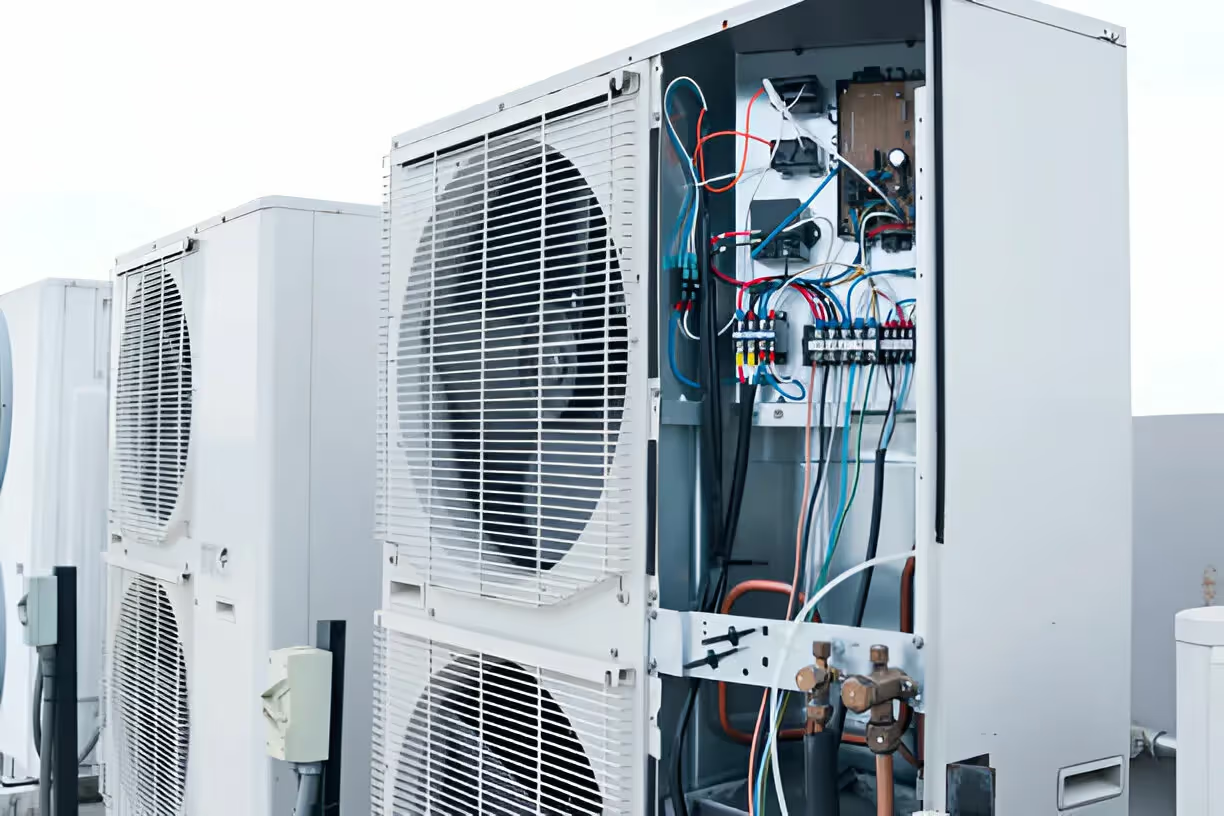
Heat Pump Maintenance in San Bernardino, CA
Keeping your heat pump well maintained is essential for reliable year round comfort in San Bernardino, CA. With long, hot summers, occasional winter chill in the Inland Empire, and frequent dust, pollen, and wildfire smoke, heat pumps in this region face a unique mix of stresses. Regular maintenance reduces breakdown risk during peak seasons, improves efficiency to lower energy bills, and extends equipment life — all critical for homes and businesses in San Bernardino.
Why routine heat pump maintenance matters in San Bernardino
- San Bernardino’s hot summers put continuous load on cooling and heat pump systems, increasing wear on compressors, motors, and controls.
- Dry, dusty conditions and seasonal winds carry debris that clogs filters and coils, reducing airflow and heat transfer.
- Wildfire smoke and elevated particulate levels can rapidly degrade indoor air quality unless filters and ducts are checked and changed regularly.
- Temperature swings between seasons make seasonal tune ups important to ensure both heating and cooling modes operate safely and efficiently.
Routine maintenance keeps your system running at peak performance, prevents premature failures, and helps preserve indoor comfort despite local climate challenges.
Common heat pump problems in San Bernardino homes
- Reduced cooling or heating capacity due to dirty coils or clogged filters.
- High energy use from restricted airflow, failing motors, or improper refrigerant charge.
- Short cycling caused by thermostat issues, control faults, or refrigerant problems.
- Drain line clogs and condensate backup from infrequent condensate system cleaning.
- Electrical wear including failing capacitors, loose connections, or worn contactors.
- Refrigerant leaks leading to poor performance and compressor strain.
Identifying these problems early through scheduled inspections prevents emergency breakdowns during peak heat and preserves system life.
What a complete heat pump maintenance program includes
Standard tune up and inspection tasks performed during routine maintenance visits typically cover:
- Filter inspection and replacement or cleaning to restore airflow and indoor air quality.
- Outdoor and indoor coil cleaning to maintain efficient heat transfer.
- Condensate pan and drain line cleaning to prevent overflow and microbial growth.
- Refrigerant level and pressure checks to confirm proper charge and identify leaks.
- Electrical system inspection: check wiring, terminals, fuses, contactors, and capacitors for wear.
- Motor and fan inspection and lubrication where applicable to reduce friction and noise.
- Thermostat calibration and control diagnostics to ensure accurate cycling and setpoint response.
- Airflow measurement and duct check to identify restrictions or leaks that reduce efficiency.
- Performance optimization: verify system operating temperatures, superheat, and subcooling to tune efficiency.
- Safety checks for reversing valves, defrost controls, and limits to ensure reliable heating operation in cooler periods.
- Written maintenance report documenting findings, recommendations, and any observed issues.
Seasonal schedule recommended for San Bernardino
- Spring tune up (pre-summer): Focus on cooling performance — clean coils, check refrigerant, test compressors, replace filters, and confirm outdoor unit clearance from debris and landscaping.
- Fall tune up (pre-winter): Verify heating mode, reversing valve operation, defrost cycle, and electrical safety checks. Clean indoor coils and drains before colder, wetter weather.
- Additional checks after wildfire smoke events or heavy dust storms: Replace filters and inspect coils and ducts for soot and particles.
Most homes benefit from two visits per year. Properties with heavy usage, larger systems, or known duct issues may need more frequent attention.
Diagnostic approach and common repairs explained simply
A typical diagnostic inspection begins with system history and symptom review, then moves to visual and operational checks:
- Visual inspection: look for debris around the outdoor unit, oil stains suggesting refrigerant leaks, and obvious electrical issues.
- Airflow and filter check: measure airflow, inspect filters, and verify return and supply registers are unobstructed.
- Electrical testing: measure voltage and amp draws, test capacitors and contactors, and tighten connections to reduce overheating and failures.
- Refrigerant and pressure checks: confirm correct refrigerant charge and test for leaks. Minor leaks can be repaired; significant leaks may require component replacement and recharging by a certified technician.
- Performance measurements: check temperature differentials, compressor operation, and fan speeds to pinpoint inefficiencies.
- Condensate and drain inspection: clear blockages and verify drainage to prevent water damage.
Common repairs uncovered during maintenance include replacing dirty or torn filters, cleaning coils, clearing drain lines, replacing capacitors or run capacitors, tightening electrical connections, replacing faulty contactors, correcting refrigerant charge, and repairing minor leaks. Refrigerant work requires certified handling and recovery procedures.
What service agreements and maintenance plans typically cover
Maintenance plans for heat pumps in San Bernardino are designed to simplify upkeep and prioritize reliability. Typical features include:
- Scheduled seasonal tune ups with checklists tailored to heat pump systems.
- Two visit options or more frequent service for high-use systems.
- Documented inspection reports after each visit detailing condition and recommended repairs.
- Priority scheduling for plan members during peak seasons, and planned timing to align with spring and fall needs.
- Options for labor coverage or preferential rates for repairs under the agreement.
- Filter replacement programs and reminders to maintain indoor air quality, especially after smoke events.
These plans help homeowners and property managers budget for maintenance and avoid unexpected failures during extreme weather.
Benefits of timely heat pump maintenance
- Improved energy efficiency and lower utility bills by restoring original system performance.
- Greater reliability during San Bernardino summer peaks and winter cold snaps.
- Extended equipment life by preventing compressor and motor stress.
- Better indoor air quality through regular filter and duct attention, especially important after wildfire smoke or dust storms.
- Early detection of issues that reduces repair scope and cost compared to emergency breakdowns.
Regular, professional maintenance tailored to the local climate ensures heat pumps remain comfortable, efficient, and dependable throughout the year in San Bernardino, CA.
hear what our satisfied clients have to say
.avif)
Service areas

