.avif)
AC Inspection in Hacienda Heights, CA
AC inspections in Hacienda Heights, CA provide preventative maintenance to protect comfort, reduce energy costs, and prevent breakdowns. The service follows a thorough checklist covering electrical components, refrigerant levels and leaks, airflow, coils, filters, thermostat controls, duct integrity, condensate management, safety systems, and a written report with prioritized recommendations and estimated costs. Residential inspections are yearly (twice yearly in dusty or older homes); commercial inspections are semiannual (or quarterly in high-demand environments). Benefits include improved efficiency, reliability, equipment life, better air quality, and budgeting clarity.
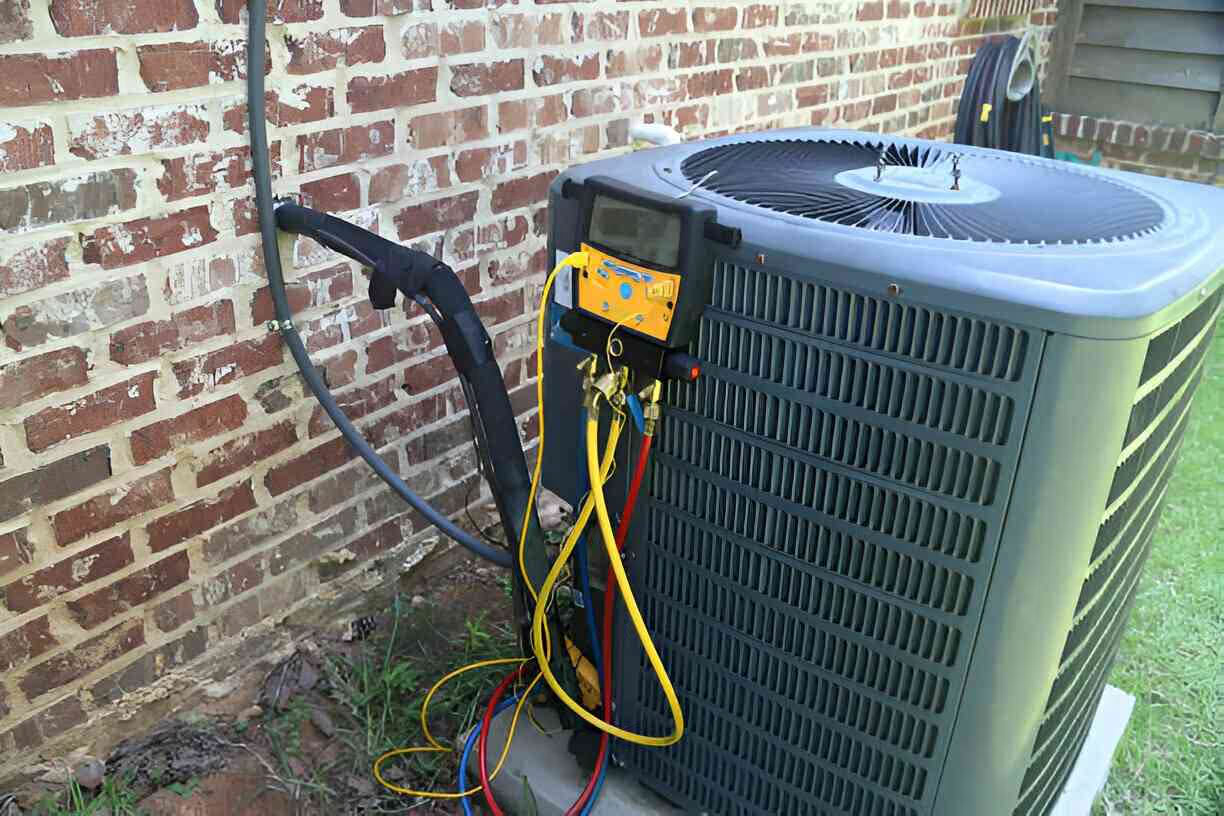
AC Inspection in Hacienda Heights, CA
A comprehensive AC inspection is one of the smartest preventative measures homeowners and businesses in Hacienda Heights can take to preserve comfort, reduce energy costs, and avoid emergency breakdowns during hot summer stretches. With long, warm cooling seasons, inland heat, and periodic dusty Santa Ana conditions, air conditioners in Hacienda Heights face heavier workloads and dust buildup that accelerate wear. A professional inspection checks performance and safety, identifies small problems before they become major repairs, and delivers a clear, prioritized plan with cost estimates so you can make informed decisions.
What an AC inspection covers
A thorough inspection follows a standard checklist that addresses all systems affecting cooling performance, safety, and indoor air quality. Key items include:
- Electrical components: Visual inspection and testing of wiring, breakers, contactors, capacitors, and motor amp draw to detect worn connections, overheating, or failing parts.
- Refrigerant levels and leak checks: System pressure testing, refrigerant charge verification, and leak detection to ensure the system cools efficiently without loss of refrigerant.
- Airflow and blower system: Measurement of airflow, inspection of blower motor and wheel, and verification of proper fan speed and belt condition. Restricted airflow is a common cause of poor cooling.
- Evaporator and condenser coils: Visual cleaning assessment and thermal checks. Dirty or corroded coils reduce heat transfer and system efficiency.
- Filters and filtration systems: Assessment of filter type, condition, and MERV rating; guidance on replacement frequency to control dust and allergens common in the San Gabriel Valley.
- Thermostat calibration and controls: Verification that the thermostat reads and controls temperatures accurately and that setpoints and scheduling are functioning.
- Ductwork integrity: Inspection for leaks, disconnected ducts, insulation damage, and airflow losses that reduce efficiency and indoor comfort.
- Safety controls and condensate management: Testing of high-pressure/low-pressure switches, float switches, condensate drains and pans to prevent water damage, mold growth, and unsafe pressure conditions.
- Start-up and operational testing: Full system run test to check cycle times, cooling output, unusual noises or vibrations, and overall performance under load.
- Documentation: Clear photos, measurements, and notes that form the basis of your written inspection report.
How inspections identify performance and safety issues
Inspections combine visual checks with diagnostic tools — refrigerant gauges, amp meters, airflow meters, and sometimes thermal imaging — to pinpoint causes behind symptoms such as poor cooling, frequent cycling, higher energy bills, or odd noises. Common issues in Hacienda Heights homes and businesses include:
- Refrigerant leaks from aging connections or vibrations causing reduced capacity and icy evaporator coils.
- Coil fouling and condenser blockage due to dust and smog accumulation, lowering heat transfer.
- Reduced airflow caused by clogged filters, dirty blower wheels, or duct leaks that increase energy use and strain the compressor.
- Electrical wear such as failing capacitors or corroded terminals that lead to motor stress or untimely failures.
- Condensate drain clogs that create overflow and mold risk in humid pockets or poorly ventilated spaces.
Early detection prevents emergency failures during heat waves and reduces the risk of fire hazards or structural damage from leaks and water intrusion.
Written inspection report with prioritized recommendations
A professional inspection concludes with a written report that organizes findings into an actionable plan. Typical report elements:
- Executive summary: Overall system condition and immediate concerns.
- Detailed findings: Photographs, measurements, and descriptions of each issue discovered during the inspection.
- Prioritized recommendations: Items categorized by urgency, for example: Critical (safety or imminent failure), Recommended (affects efficiency or longevity), and Preventive (maintenance to avoid future issues).
- Estimated cost ranges and timelines: Conservative estimates for repairs, parts, or upgrades and suggested scheduling windows so you can budget and plan.
- Estimated energy or comfort impact: Notes on how recommended actions will influence efficiency, indoor comfort, or equipment life.
This format helps homeowners and facility managers in Hacienda Heights prioritize repairs around seasonal needs and budget cycles, ensuring the most critical risks are addressed first.
Frequency recommendations for residential and commercial systems
- Residential systems: At minimum, schedule an inspection once a year, ideally in spring before heavy summer use. Homes with older systems, heavy occupant loads, pets, or a lot of dust exposure should consider inspections twice a year — once before cooling season and once in the offseason.
- Commercial systems: For businesses, semiannual inspections are recommended, with quarterly checks for high-demand environments (data rooms, restaurants, multi-tenant buildings) or properties that require strict temperature control.
- Ductless mini-splits and packaged units: These systems benefit from the same annual inspections focusing on line sets, indoor unit filters, condensate, and outdoor condensers. Newer high-efficiency units may require inspections to maintain warranty coverage.
Also schedule an inspection any time you notice warning signs: rising energy bills, uneven temperatures, frequent short-cycling, unusual noises, or visible leaks.
Benefits of regular AC inspections in Hacienda Heights
Regular inspections deliver measurable benefits tailored to local conditions:
- Improved efficiency and lower energy costs through properly charged refrigerant, clean coils, and sealed ducts.
- Greater reliability during peak heat, reducing the risk of breakdowns when cooling is needed most.
- Extended equipment life by addressing wear and preventing overload conditions.
- Better indoor air quality by ensuring filters and coils are clean and ducts are intact, which is important with local dust and smog.
- Safety assurance by catching electrical problems, unsafe pressure conditions, or clogged condensate lines before they create hazards.
- Clear budgeting and planning thanks to prioritized recommendations and cost estimates.
Maintenance tips between inspections
Simple actions between professional inspections can preserve performance:
- Change or clean filters regularly — monthly to quarterly depending on type and occupancy.
- Keep at least two feet of clearance around outdoor condensers and remove debris or plant growth.
- Check that supply and return vents are unobstructed and balanced.
- Monitor thermostat performance and replace batteries if needed; consider programmable thermostats to reduce runtime.
- Inspect condensate drain lines periodically for slow drainage or buildup.
- Shade outdoor units when possible and ensure attic and wall insulation is adequate to reduce system load during Hacienda Heights heat.
Regular, documented inspections coupled with these maintenance habits keep systems running efficiently, reduce emergency repairs, and preserve home and business comfort through long, warm seasons in Hacienda Heights.
hear what our satisfied clients have to say
.avif)
Service areas

