.avif)
AC Repair in Lake Forest, CA
AC repair in Lake Forest, CA focuses on fast, accurate diagnostics, transparent estimates, and reliable repairs for both homes and businesses. It explains common symptoms such as reduced output from vents, short cycling, and unusual noises, and outlines diagnostic steps, from visual inspections to refrigerant checks and electrical tests. The guide details typical repairs, emergency response times, and warranty considerations, then emphasizes proactive maintenance and preventative measures to reduce future breakdowns while preserving comfort, efficiency, and equipment lifespan.
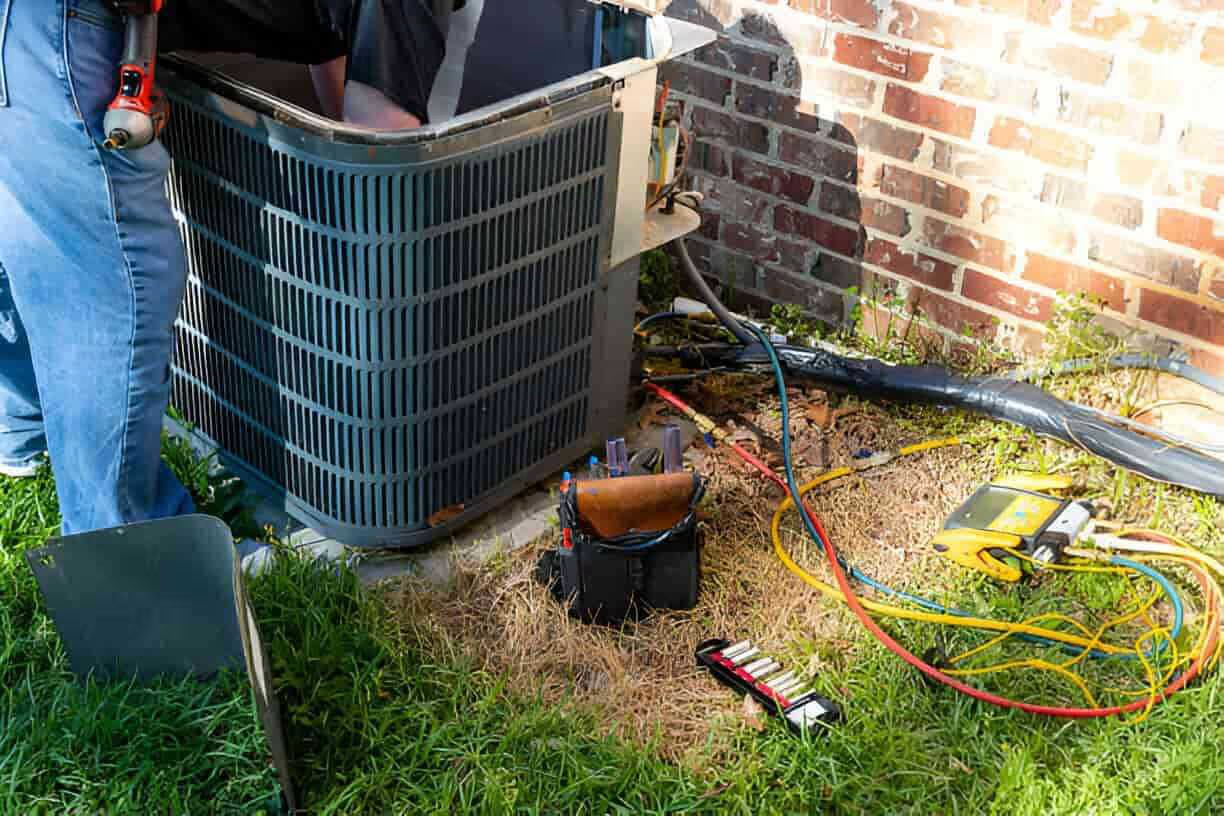
AC Repair in Lake Forest, CA
Air conditioning is essential for comfort and business continuity in Lake Forest, CA. With hot, dry summers and frequent heat spikes, both homes and commercial properties rely on properly functioning AC systems to maintain indoor comfort and protect equipment. This page explains common AC problems in Lake Forest, how technicians diagnose and repair them, what to expect for emergency response and turnaround times, and practical steps to reduce the chance of future breakdowns.
Why timely AC repair matters in Lake Forest homes and businesses
Extended high temperatures put extra strain on compressors and electrical components. Dust and dry conditions common in Orange County increase filter and coil fouling, reducing efficiency and forcing systems to run longer. For businesses, an out-of-service AC can disrupt operations, impact inventory, and affect customer comfort. Prompt, accurate repairs restore performance, lower energy use, and reduce the risk of repeat failures.
Common AC symptoms and service types in Lake Forest
Recognizing early symptoms helps avoid expensive failures. Typical signs that your residential or commercial system needs repair include:
- Reduced cooling capacity or warm air from vents
- Frequent short cycles or the system running constantly
- Strange noises such as grinding, hissing, or loud rattling
- Higher than normal energy bills without increased usage
- Water pooling around the indoor unit or overflowing condensate drain
- System fails to start or trips breakers frequently
- Uneven temperatures across rooms or zones
Service types for homes and businesses generally include diagnostic checks, component repair or replacement, refrigerant leak detection and recharge, electrical repairs, and preventative maintenance.
Diagnostic procedures technicians use
A systematic diagnostic approach identifies root causes and prevents unnecessary parts replacement. Standard diagnostic steps for AC repair in Lake Forest, CA include:
- Visual inspection of indoor and outdoor units for damage, debris, or obvious leaks
- Checking filters, ductwork, and air handler condition to rule out airflow restrictions
- Measuring refrigerant pressures and temperature split to identify undercharge or overcharge
- Testing capacitors, contactors, fuses, and relays for electrical faults
- Running amp draw tests on compressors and motors to detect mechanical stress
- Using electronic leak detectors or UV dye to find refrigerant leaks
- Verifying thermostat calibration and control wiringThis approach produces an accurate scope of work and an itemized estimate for repairs and parts.
Typical repairs explained
Below are the most common repairs carried out on residential and commercial systems in Lake Forest, with plain-language explanations.
- Compressor repair or replacement
- The compressor is the heart of a split system. Failures may be due to electrical faults, mechanical wear, or oil contamination. Technicians assess the compressor condition and either repair accessible issues or replace the compressor when necessary. Replacements require careful refrigerant recovery and system evacuation.
- Capacitor and contactor replacement
- Start-up components like capacitors and contactors wear out and cause motors and compressors to fail to start or overheat. Replacing these small parts often restores reliable operation quickly.
- Refrigerant leak detection and repair
- Low refrigerant reduces cooling performance and can damage the compressor. Technicians locate leaks, repair the source, and recharge the system to correct manufacturer-specified refrigerant levels. Systems with major leaks may require line repairs or component replacements.
- Electrical faults and control repairs
- Corroded connections, tripped breakers, or failed control boards cause intermittent operation or complete shutdown. Diagnosis includes tightening connections, replacing damaged wiring, and swapping control modules when needed.
- Condensate drain and coil cleaning
- Clogged drains cause water damage and mold. Dirty coils reduce heat exchange efficiency. Clearing drains and cleaning coils and filters restores airflow and capacity.
- Ductwork and airflow corrections
- Leaky or poorly insulated ducts reduce efficiency and create uneven cooling. Repairs include sealing leaks, adjusting dampers, and recommending zoning improvements for commercial spaces.
Emergency response and typical turnaround times
AC emergencies are common during Lake Forest heat waves. Emergency service protocols typically include:
- 24 hour availability for true emergencies with response windows during peak heat days
- Same-day diagnostic visits when possible during business hours
- Small repairs such as capacitor or filter replacement often completed in 1 to 2 hours
- Moderate repairs including fan motor replacement or minor refrigerant repairs typically completed within 2 to 4 hours
- Major jobs like compressor or coil replacement may require parts ordering and are often completed within 24 to 48 hours depending on part availability
Response times can vary with seasonal demand. In peak summer periods, prioritization for commercial properties or medically sensitive residences is common practice to minimize risk.
Transparent estimates, parts, and warranty information
A clear, itemized estimate should describe labor, parts, and any diagnostic fees so building owners and homeowners understand the investment before work begins. Important points to expect:
- Itemized lists showing parts to be replaced and labor hours
- Explanation of why each repair is recommended and alternatives if available
- Information on manufacturer parts compatibility and age-related advisories
- Details about warranty coverage on replaced parts and workmanship where applicable
Wherever possible, technicians will provide options that balance short-term fixes and longer-term reliability improvements, with notes on expected lifespan of repaired components.
Preventing future breakdowns in Lake Forest conditions
Routine maintenance reduces the likelihood of mid-summer failures and extends equipment life. Recommended preventive steps:
- Change or clean filters every 1 to 3 months depending on use and local dust levels
- Schedule professional tune-ups twice a year, ideally before summer and winter seasons
- Keep outdoor units clear of debris, plants, and dust buildup to maintain airflow
- Monitor refrigerant pressure and electrical connections during seasonal checks
- Consider programmable or smart thermostats to reduce runtime and wear
- For commercial systems, implement regular maintenance contracts and seasonal system balancing
These measures are especially important in Lake Forest where heat spikes and dry conditions increase system stress.
Conclusion — what to expect from AC repair in Lake Forest, CA
Effective AC repair in Lake Forest combines rapid, prioritized response during heat events with thorough diagnostics and transparent estimates. Addressing common failures early preserves comfort, lowers energy costs, and protects equipment investments for both homes and commercial properties. Regular maintenance tailored to local climate and usage patterns is the most reliable way to avoid emergency repairs and maintain efficient cooling year round.
hear what our satisfied clients have to say
.avif)
Service areas

