.avif)
AC Repair in Perris, CA
AC repair in Perris, CA offers expert diagnostics, transparent pricing, and reliable repairs to keep homes cool during hot summers. This page outlines common Perris AC failures, from weak cooling and short cycling to refrigerant leaks and noisy equipment, and explains how technicians diagnose and fix them. It covers typical timelines, warranty details, emergency options, and clear guidance on choosing repair versus replacement. Maintenance tips help prevent breakdowns, extend system life, and reduce energy use in challenging Perris climates.
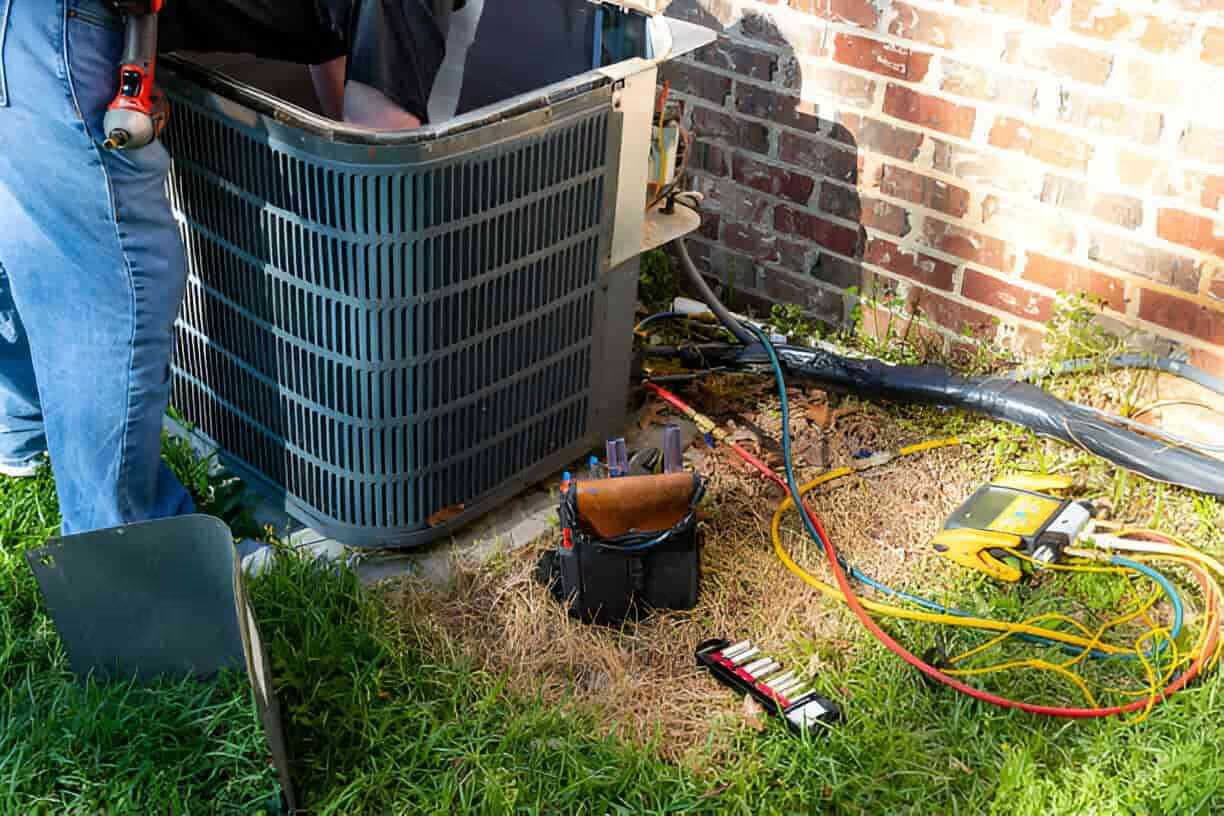
AC Repair in Perris, CA
Living in Perris means long, hot summers and dusty inland conditions that put extra strain on air conditioning systems. Professional AC repair in Perris, CA keeps your home comfortable, prevents costly failures during heat waves, and protects indoor air quality. This page explains common AC problems Perris homeowners face, how technicians diagnose and fix them, typical repair timelines, warranty and pricing transparency, emergency options, and clear guidance on when repair versus replacement is the better choice.
Common AC failure symptoms in Perris homes
Recognizing the problem early saves time and money. Watch for these common signs:
- No cooling or weak cooling: The system runs but air is warm or only slightly cooler.
- Short cycling: Unit turns on and off frequently instead of completing normal run cycles.
- Strange noises: Grinding, banging, hissing, or high-pitched squeals from indoor or outdoor units.
- Water leaks or standing water: Overflowing condensate or wet spots around the indoor unit.
- Refrigerant leaks: Hissing sounds, oily residue, or rapid loss of cooling performance.
- High energy bills: Sudden increases in electric use without change in habits.
- Uneven temperatures: Some rooms are much warmer than others.
- Thermostat or control issues: Unresponsive or inaccurate temperature control.
Perris-specific factors such as heat spikes, airborne dust, and monsoon-season humidity make these issues more likely to appear or worsen.
How professional diagnostics work
A thorough diagnostic process isolates the root cause and prevents unnecessary part swaps.
- Initial system review: Technicians ask about recent performance, maintenance history, and visible symptoms.
- Visual inspection: Check indoor and outdoor units for debris, damaged fins, loose wires, and obvious leaks.
- Thermostat and control check: Verify settings, calibration, and communication between components.
- Electrical testing: Inspect breakers, contactors, capacitors, and wiring for proper voltage and continuity.
- Airflow assessment: Measure supply and return airflow, inspect filters, coils, and duct connections for blockages or leaks.
- Refrigerant evaluation: Check pressures and temperatures to detect undercharge or overcharge and perform leak detection when needed.
- Component testing: Test motors, fans, compressors, and safety switches to confirm functional status.
- Performance test: Run the system under load to validate findings and confirm repair needs.
Technicians document findings and provide a clear written estimate before any repair work begins.
Common parts replaced and what each fix does
Many repairs involve replacing wear items or failed components to restore reliable cooling:
- Capacitors and contactors: Common causes of no-start or irregular cycling.
- Compressor: Major component failure requiring significant work; often considered replacement-worthy on older units.
- Condenser or evaporator fan motors: Restore proper airflow and heat exchange.
- Evaporator or condenser coils: Repair or replacement required for severe corrosion or damage.
- Expansion valve or TXV: Fixes refrigerant metering problems and improves cooling balance.
- Thermostats and control boards: Corrects communication and control issues.
- Refrigerant recharge and leak repair: Restores correct charge and stops environmental and efficiency loss.
- Duct repairs and condensate drain clearance: Resolves moisture and airflow problems that affect whole-house comfort.
Parts selection (OEM versus aftermarket) and the availability of refrigerant types used in older systems can affect repair approach and timeline.
Typical repair timelines
- Minor repairs and adjustments: Often completed same day (capacitor changes, contactor swaps, filter replacements).
- Standard repairs requiring parts: Usually completed within 1 to 2 days once parts are available.
- Major component replacement: Compressor or coil replacements can take 1 to 3 days, depending on parts lead time and any required permits.
- Complex ductwork or system replacement: Multi-day to week projects when extensive modifications or coordination are needed.
Perris homeowners should plan ahead for summer peak demand when parts and technicians can take longer to schedule.
Emergency and after-hours stabilizing options
When the system fails during extreme heat, immediate stabilization helps until a technician can arrive:
- Reset the breaker if it tripped, then monitor the system briefly.
- Replace a clogged filter to restore basic airflow.
- Temporarily increase ventilation in less-affected areas and use fans to improve comfort.
- Turn the system off if you detect burning smells, smoke, or active refrigerant leaks.
Professional after-hours or emergency repairs may include temporary fixes to restore cooling until a full repair can be completed safely.
Pricing transparency and warranties
Clear, written estimates and transparent pricing are essential:
- Expect a diagnostic fee that covers inspection and testing and is applied to the repair if performed.
- Estimates should break down labor, parts, and any additional charges like refrigerant costs or permits.
- Technicians should explain flat-rate versus hourly labor policies and get your approval before starting work.
- Repairs typically include a workmanship warranty and manufacturer parts warranties. Workmanship warranties commonly range from a few weeks to several months, while parts warranties depend on the manufacturer and can extend a year or more. Always request warranty details in writing.
Factors that influence cost include system accessibility, required refrigerant, unit age, and whether ductwork or electrical upgrades are necessary.
When to repair vs replace
Deciding between repair and replacement depends on several practical factors:
- Age of the system: Systems older than 10 to 15 years are often better replaced, especially if efficiency has declined.
- Type of refrigerant: Older R22 systems can be costly to recharge; replacement with modern R410A or newer refrigerants often makes financial and environmental sense.
- Frequency and cost of repairs: Repeated breakdowns or a single repair costing a high percentage of replacement value suggests replacement.
- Efficiency and comfort goals: If you want lower operating costs or improved humidity control for Perris summers, a newer high-efficiency system is advantageous.
- Major component failure: Compressor or severe coil damage on an older unit typically favors replacement.
Evaluate repair estimates against the expected remaining lifespan and energy savings of a new system.
Maintenance and prevention for Perris conditions
Regular maintenance minimizes emergency repairs and improves efficiency:
- Schedule tune-ups before the hot season to clean coils, check refrigerant, and test electrical components.
- Change air filters more frequently in Perris because of dust and seasonal pollen.
- Keep outdoor units clear of debris, landscaping, and items that restrict airflow.
- Ensure ducts are sealed and insulated to reduce loss of cooled air.
- Use programmable thermostats and appropriate setpoints during the hottest months to reduce strain.
Timely maintenance helps your AC handle Perris heat, reduces repair frequency, and extends equipment life.
Prompt, expert AC repair preserves comfort during Perris heat waves, lowers energy bills, and prevents more extensive failures. Clear diagnostics, transparent pricing, reliable warranties, and consideration of local climate factors lead to the best outcomes for homeowners deciding between repair and replacement.
hear what our satisfied clients have to say
.avif)
Service areas

