.avif)
AC Inspection in Norwalk, CA
This page outlines comprehensive AC inspections in Norwalk, CA, detailing what is checked from visual system assessments and refrigerant evaluation to airflow, thermostat calibration, and duct integrity. It explains common issues, diagnostic steps, and how findings inform prioritized repair and replacement decisions. The guide covers inspection frequency, the benefits of proactive maintenance, and practical tips for improving efficiency, indoor air quality, and system longevity, helping homeowners plan maintenance and avoid emergencies during peak demand for long-term comfort and cost savings.
AC Inspection in Norwalk, CA
An AC inspection in Norwalk, CA is the first step toward reliable, efficient cooling during long, hot summers. Regular, comprehensive inspections identify small problems before they become costly breakdowns, restore system efficiency, and improve indoor comfort and air quality in local homes. For Norwalk residents dealing with high cooling demand, seasonal dust and urban air pollutants, and systems that may be decades old, a thorough inspection is a practical way to protect your investment and avoid emergency service on the hottest days.
What a full AC inspection covers
A professional inspection evaluates every component that affects performance, safety, and efficiency. Technicians typically perform all of the following checks:
- Visual system assessment
- Inspect indoor and outdoor units for physical damage, corrosion, loose panels, or debris buildup around the condenser.
- Check duct access points and registers for visible obstructions or signs of leaks.
- Refrigerant level and leak evaluation
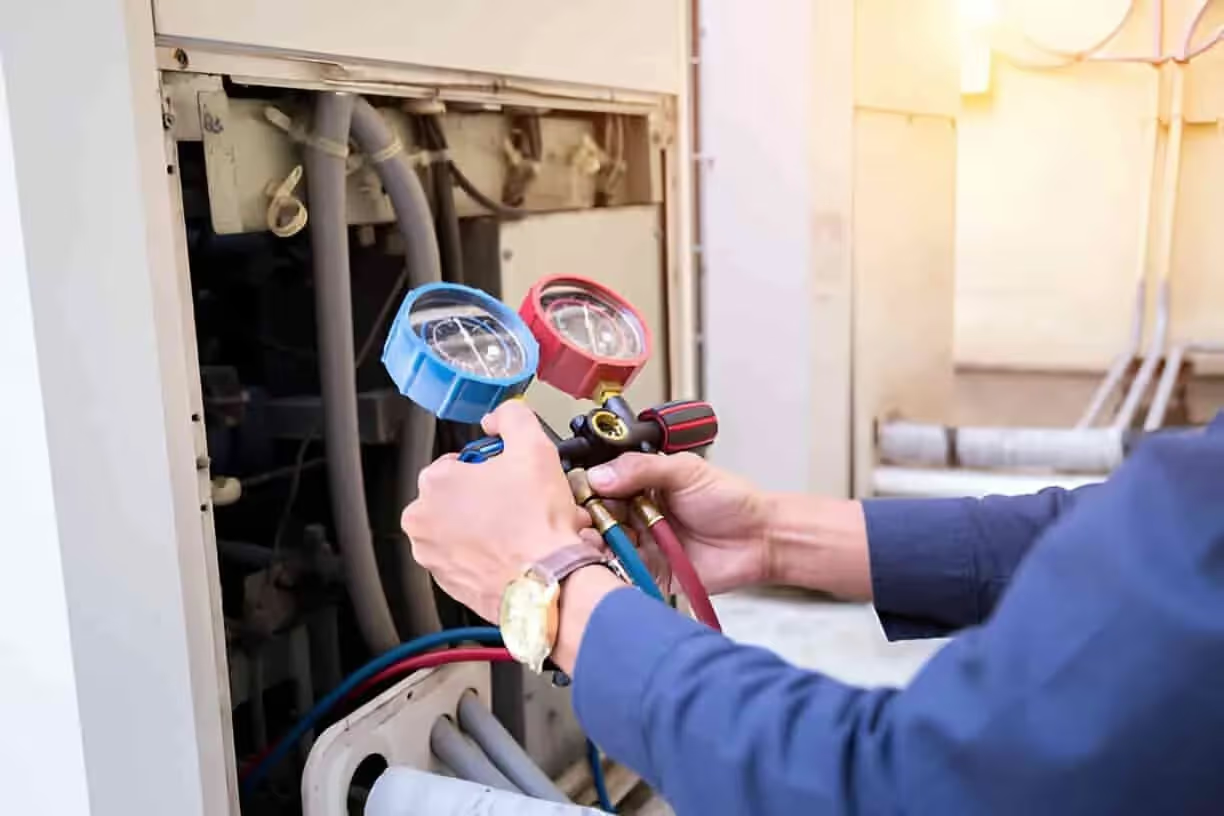
- Measure refrigerant pressures and temperatures to verify proper charge.
- Look for signs of refrigerant leaks and note refrigerant type (older R22 systems require special attention).
- Electrical components and safety controls
- Test voltage and amperage at the compressor and blower motor.
- Inspect contactors, capacitors, fuses, and wiring for wear, overheating, or loose connections.
- Airflow and blower performance
- Measure airflow through the evaporator coil and across the blower.
- Check blower wheel, motor bearings, belt condition (if applicable), and fan operation.
- Thermostat calibration and controls
- Verify thermostat accuracy and correct cycle sequencing.
- Confirm proper communication between thermostat and system, including smart or programmable units.
- Filter, coil, and drain condition
- Inspect and report on filter condition; verify proper filter size and placement.
- Examine evaporator and condenser coils for dirt or corrosion and assess the condensate drain for blockages or standing water.
- Ductwork and ventilation review
- Inspect accessible ductwork for leaks, insulation gaps, or disconnections that reduce efficiency and comfort.
- Evaluate return air pathways for adequate ventilation.
Common AC inspection issues in Norwalk, CA
Local climate and housing stock influence the problems technicians see most often in Norwalk:
- Low refrigerant charge from leaks is common, especially in older systems and increases with heavy seasonal use.
- Dirty coils and clogged filters due to dusty conditions and urban air particles reduce heat transfer and force longer run times.
- Electrical failures such as failed capacitors or contactors often result from sustained high temperatures and frequent cycling.
- Reduced airflow from blocked returns, undersized ductwork, or failing blower motors leads to uneven cooling.
- Thermostat miscalibration or poor placement (in direct sunlight or near heat sources) causes short cycling or overcooling.
- Aging equipment concerns, including systems still using phased-out refrigerants like R22, which affect repair options and long-term planning.
How technicians diagnose problems
A careful diagnostic process separates symptom from root cause. Expect an inspection to include:
- System start-up and shutdown observation to note unusual noises, vibration, and runtime.
- Static pressure and airflow measurements to confirm the system can move the required volume of air.
- Refrigerant pressure tests, temperature split measurements, and superheat/subcooling calculations to evaluate charge and heat exchange efficiency.
- Electrical testing with meters to detect abnormal voltage drops or excessive motor current.
- Inspection of mechanical parts for wear: fan blades, bearings, belts, and compressor mounts.
- Smoke or leak detection methods when refrigerant loss is suspected.
- Condensate testing for proper slope, trap integrity, and potential microbial growth risks.
All findings are documented so you can see why a repair or recommendation was made.
Reporting and recommended actions
After the inspection you should receive a clear, prioritized report explaining:
- Immediate safety concerns that require prompt attention (electrical hazards, refrigerant leaks, blocked drains).
- Repairs that restore reliable operation such as capacitor replacement, refrigerant leak repair, motor servicing, or thermostat recalibration.
- Efficiency and longevity recommendations like coil cleaning, duct sealing, or filter upgrades to MERV-rated options for better air quality.
- Replacement considerations when the system age, cost of repairs, or refrigerant type make replacement the most sensible choice.
Recommendations will typically be ranked by urgency and impact: safety items first, then repairs that prevent imminent failure, and finally efficiency upgrades that reduce operating costs.
How often to inspect your AC in Norwalk
For most Norwalk homes, an inspection frequency that balances performance and cost is:
- Biannual inspections: Once in spring before peak cooling season and once in fall after heavy summer use. This timing catches issues before they lead to breakdowns and ensures winter humidity or debris has not compromised components.
- Annual inspections can suffice for newer, well-maintained systems with light use, but twice-yearly is recommended where summer temperatures cause continuous operation.
- More frequent checks for older systems, units that history shows struggle under load, or homes with sensitive indoor air quality needs.
Filter changes should be performed more frequently than full inspections: check monthly and replace or clean filters every 1 to 3 months depending on usage and indoor air quality.
Benefits of regular AC inspections in Norwalk
Timely inspections deliver several practical advantages for local homeowners:
- Prevent emergency breakdowns during Norwalk heat waves by addressing wear-related failures early.
- Improve efficiency and lower energy bills by ensuring the system operates at designed performance, important with high summer run times.
- Extend equipment life through proactive maintenance like cleaning coils and tightening electrical connections.
- Protect indoor air quality by identifying dirty coils, clogged filters, or moldy drain pans that degrade breathing air.
- Inform smart replacement decisions when inspections reveal age-related decline or refrigerant limitations, so you can plan for upgrades rather than face sudden failure.
ConclusionA comprehensive AC inspection in Norwalk, CA provides a clear snapshot of system health, immediate safety and repair needs, and opportunities to improve efficiency and comfort. For homes facing hot summers, frequent system cycling, and urban dust, inspections are a practical, cost-effective way to reduce downtime and operating costs while extending the life of your air conditioning equipment. Regular, detailed inspections keep your system ready when you need it most and help you make informed maintenance and replacement decisions.
hear what our satisfied clients have to say
.avif)
Service areas

