.avif)
AC Installation in Norwalk, CA
New air conditioning installation in Norwalk, CA encompasses site evaluation, load calculations, equipment selection, proper duct and electrical work, start-up testing, and warranty considerations to ensure efficient cooling and long-term reliability. This service guide explains how professionals assess home size, insulation, and airflow, select energy-efficient systems, and execute safe installations with code compliance. It highlights common issues, maintenance needs, and the value of permits, inspections, and aftercare to maximize comfort, indoor air quality, and cost savings in Southern California climates.
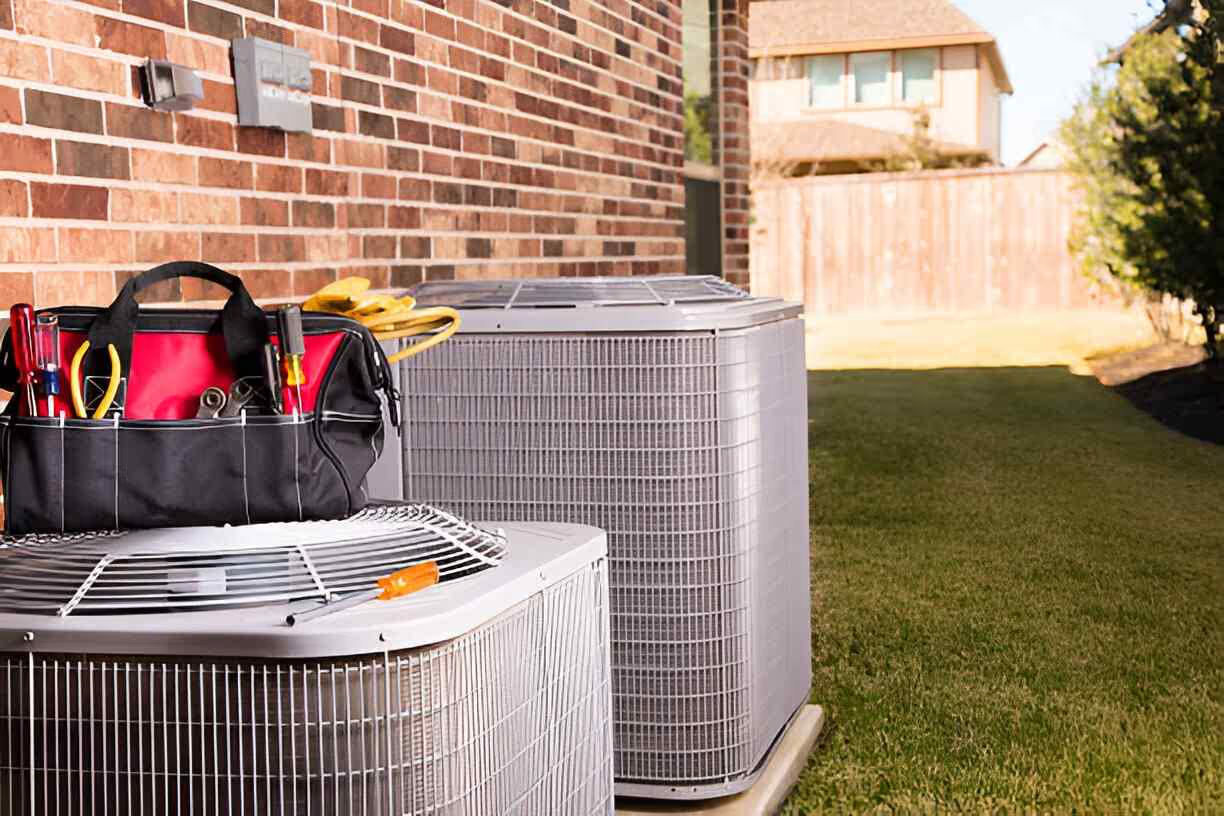
AC Installation in Norwalk, CA
Replacing or installing a new air conditioning system in Norwalk, CA is one of the most impactful home improvements you can make for comfort, indoor air quality, and monthly energy costs. With hot, dry-to-mildly-humid summers typical of Southern Los Angeles County, correctly sized and installed cooling equipment matters more than ever. This page explains exactly what a professional new air conditioning installation involves — from site evaluation and load calculations to start-up testing, code compliance, and ongoing maintenance — so you know what to expect and can make an informed decision.
Why proper AC installation matters in Norwalk, CA
- Local summer heat spikes and periodic heat waves increase runtime; an oversized or undersized system will short-cycle, reduce comfort, and raise utility bills.
- Inland valleys in Los Angeles County can see higher daytime temperatures and dust; proper filtration and balanced airflow improve indoor air quality.
- California energy standards and local permit requirements mean installations must meet efficiency and safety rules to avoid fines or failed inspections.
Common AC installation types and common issues in Norwalk homes
- Central split-system air conditioners for homes with existing ductwork.
- Heat pump systems (air-source) that provide efficient cooling and moderate heating — good for Southern California’s mild winters.
- Ductless mini-split systems for additions, garages converted to living space, or homes without ducts.
- Packaged units for certain multi-zone or commercial-style residential setups.
Common problems that prompt replacement:
- Repeated compressor failures or refrigerant leaks.
- Systems 10–15 years old with declining efficiency and rising energy bills.
- Poor cooling distribution due to undersized equipment, deteriorated ductwork, or incorrect refrigerant charge.
- Need to upgrade to higher-efficiency equipment to comply with local energy standards or to reduce monthly costs.
Site evaluation and load calculations
A thorough site evaluation is the first step in any professional AC installation in Norwalk, CA. This includes:
- Measuring square footage, ceiling heights, insulation levels, window types, and orientation.
- Assessing attic ventilation, roof color/condition, and shading from trees.
- Accounting for household occupancy, appliances, and internal heat gains.
- Performing Manual J load calculations (or equivalent) to establish the exact cooling capacity required.
Accurate load calculations prevent common pitfalls like oversized units that short-cycle or undersized units that run constantly and fail to reach set temperatures.
Equipment selection recommendations
Choose equipment based on the calculated load, energy goals, and installation constraints. Key considerations:
- Efficiency ratings: Look for higher SEER ratings for long-term savings. In Norwalk’s climate, systems with higher SEER and variable-speed components yield better comfort and lower bills.
- System type: Central split systems for whole-home cooling; heat pumps for combined cooling/heating efficiency; ductless mini-splits for room-by-room control.
- Variable-speed compressors and ECM blowers: Provide better temperature control, quieter operation, and improved humidity management.
- Thermostats: Smart or programmable thermostats help optimize schedules and peak demand usage.
- Indoor air quality: Consider upgraded filtration, UV lights, or ventilator options to reduce dust and allergens that increase during dry spells.
Step-by-step installation process
A typical professional AC installation follows these stages:
- Pre-install inspection and load verification: Confirm calculations and site plans.
- Permits and scheduling: Secure required permits and plan installation timing to meet inspection windows.
- Removal of old equipment: Safe disconnect and disposal of the existing system and refrigerant by certified technicians.
- Equipment placement: Install condenser (outdoor) and air handler/evaporator (indoor), considering clearance, drainage, and noise.
- Duct work modifications or installation: Repair, seal, or extend ductwork as needed for proper airflow balance.
- Electrical connections: Upgrade service, install disconnects, and ensure proper breaker sizing and wiring per code.
- Refrigerant charging and leak testing: Certified technicians charge to manufacturer specifications and check for leaks.
- Controls and thermostat setup: Program thermostats and integrate zoning if applicable.
- Start-up and performance testing: Run tests to verify airflow, pressures, temperatures, and system efficiency.
- Final inspection and handover documentation: Complete paperwork for permits and provide equipment specifications and warranty information.
Electrical and ductwork considerations
- Electrical: Older homes in Norwalk may require upgraded service panels, dedicated breakers, or new disconnects to support modern equipment. Proper wire sizing and overcurrent protection are safety-critical and required by code.
- Ductwork: Leaky or poorly insulated ducts can waste up to 20–30% of cooling energy. Installation often includes sealing, insulating, and balancing supply and return ducts to ensure even temperatures throughout the home.
- Zoning: For multi-level homes or rooms with different uses, zoning dampers and multiple thermostats can improve comfort and efficiency.
Safety and code compliance
- Permits and inspections: Most new installations require a permit and must pass local inspections in Los Angeles County. Installers document compliance with applicable building and electrical codes.
- Refrigerant handling: Only certified technicians can recover and charge refrigerants safely and legally.
- Manufacturer installation requirements: Following manufacturer guidelines preserves warranty eligibility and ensures safe operation.
- Energy code compliance: Installations must meet California’s energy efficiency standards and any local building energy requirements.
System start-up and performance testing
Proper start-up verifies that the system operates as intended:
- Measure supply and return air temperatures to confirm correct temperature split.
- Verify refrigerant pressures and charge according to equipment specifications.
- Check airflow at registers and measure static pressure to ensure duct system health.
- Confirm electrical loads, compressor amperage, and proper thermostat response.
- Demonstrate operation modes and thermostat settings for homeowner understanding.
Warranty and maintenance plan options
- Manufacturer warranties: Most new units include a limited parts warranty; extended or labor warranties may be available through installers.
- Labor warranties: Some installers provide labor coverage for a set period after installation; verify terms and exclusions.
- Maintenance plans: Seasonal tune-ups (spring and fall) keep systems efficient and prolong lifespan. Typical plan services include filter checks, coil cleaning, refrigerant checks, lubrication, and performance testing.
- Recordkeeping: Keep installation documentation and maintenance records to support warranty claims and resale value.
Long-term benefits and local relevance
A correctly sized and professionally installed cooling system in Norwalk, CA reduces energy bills, improves comfort during extended heat events, and maintains better indoor air quality. Selecting higher-efficiency equipment, ensuring well-sealed ductwork, and following a regular maintenance schedule deliver the best return on investment in Southern California’s climate. Proper permitting and compliance protect your home and ensure safe, reliable operation for years to come.
This overview covers what to expect for new air conditioning installation in Norwalk, CA, from initial evaluation through start-up and warranty considerations, helping you evaluate options and understand the factors that affect performance and longevity in local homes.
hear what our satisfied clients have to say
.avif)
Service areas

